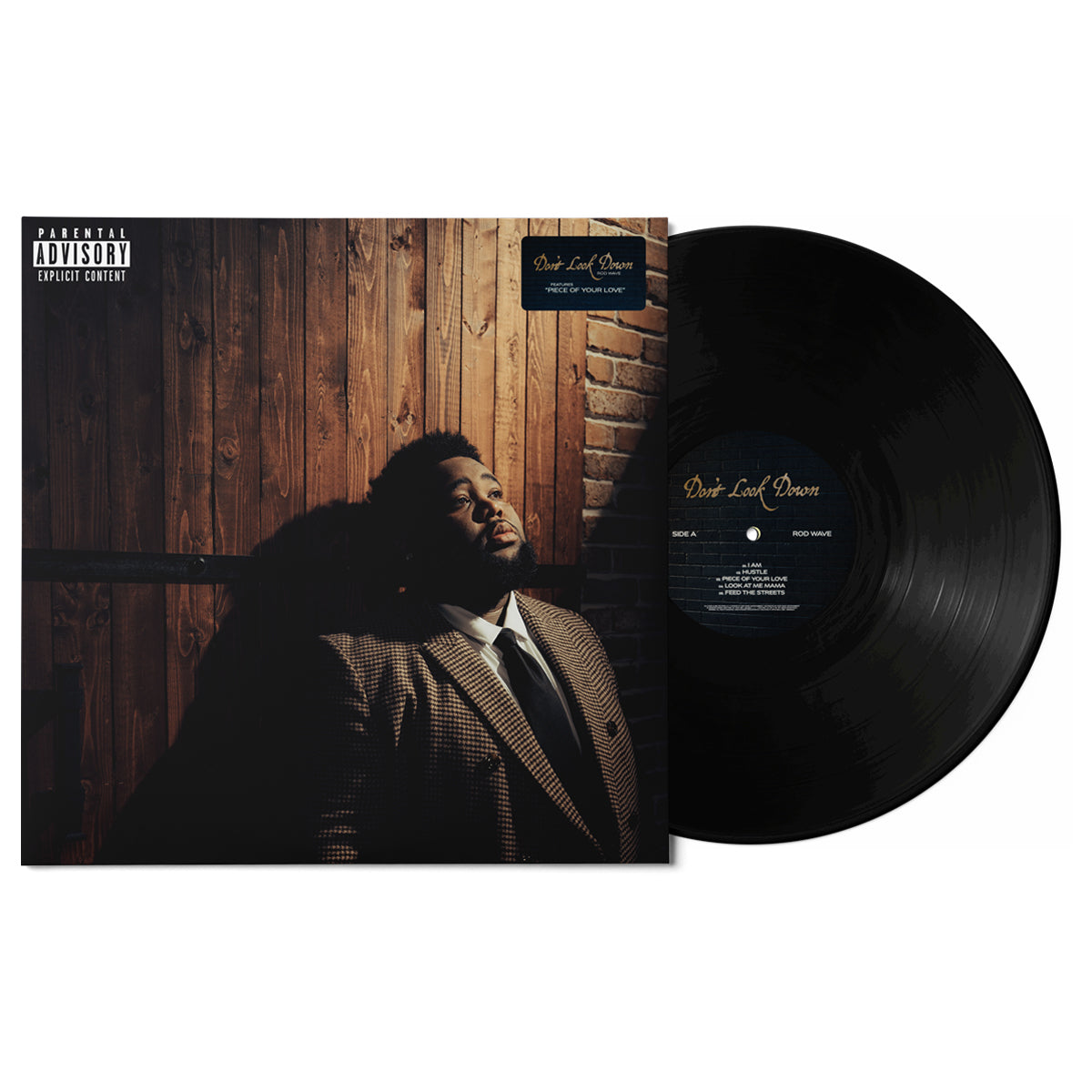
The number changed. The real lesson got clearer.
Rod Wave has described one of the biggest business jumps in his career as a merch decision.
During a 2025 appearance on The Joe Budden Podcast, Rod said he went from making about $200,000 through his previous merchandise setup to $14 million after taking more control of the operation himself.
That is Rod Wave’s own description of the jump. Public reporting on the interview has repeated the same $200,000-to-$14 million comparison.
An earlier version of this RRL article used $100,000 in the headline. That was wrong. The starting figure Rod gave was approximately $200,000, and the article has been corrected.
Now the more useful question:
What actually changed when he took control?
He stopped treating merch like somebody else’s side business
Rod explained that his uncle pushed him to think differently about the operation: buy the garments, pay people to print them, handle transportation and take responsibility for more of the process.
The important word is process.
Artists can see merch as a logo slapped on a hoodie after the tour is booked.
But once there is real demand, merch can become its own operation:
- sourcing
- design
- inventory
- pricing
- staffing
- point-of-sale
- online orders
- shipping
- returns
- tour logistics
- customer service
If another company controls most of that, the artist may be trading margin and information for convenience.
That trade can be worth it. The point is to understand the trade.
Do not copy the scale. Copy the question.
Rod Wave can move merch at a level most independent artists cannot touch.
So the lesson is not:
fire your merch company and build a warehouse tomorrow.
That would be terrible advice for an artist who sells twelve shirts a month.
The question worth stealing is:
Is there enough proven demand here that bringing one part of the operation closer to me would materially improve the economics or fan experience?
For a smaller artist, “taking control” might mean:
- buying a small batch instead of using a high-cost print-on-demand option
- negotiating your own local printer
- keeping access to your customer records
- running your own table at shows
- testing two products instead of handing a vendor a giant catalog
- knowing the true cost per item before agreeing to a split
That is a very different move from trying to imitate a $14 million operation.
Control only matters if you can operate it
Owning more of the process gives you more responsibility too.
If you bring merch in-house and then:
- ship late
- run out of sizes constantly
- lose inventory
- ignore refunds
- order too much product
- tie up all your cash in boxes nobody buys
then “ownership” did not save you.
It just moved the problem into your house.
The reason Rod’s story matters is that control was paired with execution.
That is the part people skip when they turn ownership into a slogan.
Know the merch math before you scale it
For one item, write down:
- blank/product cost
- printing or manufacturing
- packaging
- shipping supplies
- payment-processing/platform fees
- labor or fulfillment
- tour transportation if applicable
- expected returns/damaged inventory
Then compare that all-in cost with the selling price.
Do not call the difference “profit” until the rest of the operating costs are accounted for.
And do not celebrate gross sales without knowing what the drop actually left behind.
Buyer relationships may be as important as the shirt
When fans buy directly, the transaction can teach you things a stream cannot:
- where buyers live
- what sizes move
- which designs repeat
- which city supports hardest
- who has purchased before
- what sells online versus at shows
How much of that data you receive depends on the platform and setup you use, and artists should handle customer information responsibly.
But the bigger principle holds: a merch operation can produce business intelligence, not just revenue.
When outsourcing still makes sense
Outsourcing is not automatically a bad deal.
A good partner can solve problems you are not ready to solve:
- manufacturing expertise
- warehousing
- shipping volume
- international fulfillment
- customer support
- working capital
- tour logistics
If that lets you focus on music while the partner executes better than you could, paying for the service may make sense.
The question is whether the convenience is worth the margin and control you give up.
The RRL take
Rod Wave’s story is powerful because the number is big.
But the transferable lesson is smaller:
know what part of your merch business somebody else controls, know what it costs you, and bring more in-house only when demand and your ability to execute justify it.
Rod did not make $14 million because “ownership” is a magic word.
He says the jump happened after he took responsibility for more of an operation that already had real demand behind it.
That distinction is the game.