KNOW THE ARTIST. KNOW THE RUN. FOLLOW WHERE IT LEADS.
Start with an artist. See the records, turning points, cities, crews and people behind the run — then keep moving through the connections that shaped it.
Four runs worth opening first.
These profiles already have deeper RRL coverage and connections behind them. Pick one name and keep following where the story leads.
Pick a name you know. Learn the run. Then follow the city, crew, era, producer or next artist that makes the story bigger.
Explore the artists

Drake
Drake made rap, R&B, heartbreak, flexing and internet-era attention live inside the same career — then stayed on top long enough to become the guy everybody wanted to test.

JAY-Z
JAY-Z spent a career turning survival into ambition, ambition into ownership, and ownership into the kind of power rappers used to have to ask other people for.

50 Cent
50 Cent turned survival into a comeback, the comeback into a takeover, and the takeover into a career that learned how to keep changing rooms.

Rick Ross
Rick Ross did not just rap about success. He made success sound like a room you could step into — soul samples, heavy drums, marble floors and all.

T.I.
Before trap was everywhere, T.I. put the word on an album and became one of the first stars to take that Atlanta sound all the way to the top of rap.

J. Cole
J. Cole built superstar-level loyalty without living like a superstar in public — and made fans feel like growing up with him was part of the run.

Master P
Master P made rap fans talk about ownership and distribution because No Limit showed what those words looked like in real life.

Lil Wayne
Hot Boy. Mixtape king. Young Money founder. Wayne kept changing lanes until the rest of rap had to catch up.

Lil Baby
Lil Baby's rise felt different because fans did not meet a finished rapper. They heard him get sharper, more confident and harder to ignore almost in real time.

Dr. Dre
A producer who kept turning one great ear into bigger rooms: N.W.A., Snoop Dogg, Eminem, 50 Cent, Kendrick Lamar, Aftermath and Beats.

Future
Future spent years making pain, excess and melody sound strange enough to feel new. Then so much of rap started speaking that language too.

Kanye West
Kanye kept changing the sound, scale and presentation of rap albums. The harder part now is talking honestly about that influence without pretending the damage around the later years is separate from the story.

Proof
Proof was more than Eminem’s friend or a D12 member—he helped make Detroit’s battle room into a proving ground where an entire generation had to earn respect in public.

2 Chainz
2 Chainz spent years in Atlanta’s rap system before a name change turned veteran experience, feature instincts and business curiosity into a second career bigger than the first.

Kendrick Lamar
Kendrick Lamar made Compton intimate again—turning one city’s streets, families, fear, faith and contradictions into records the whole world had to enter on his terms.
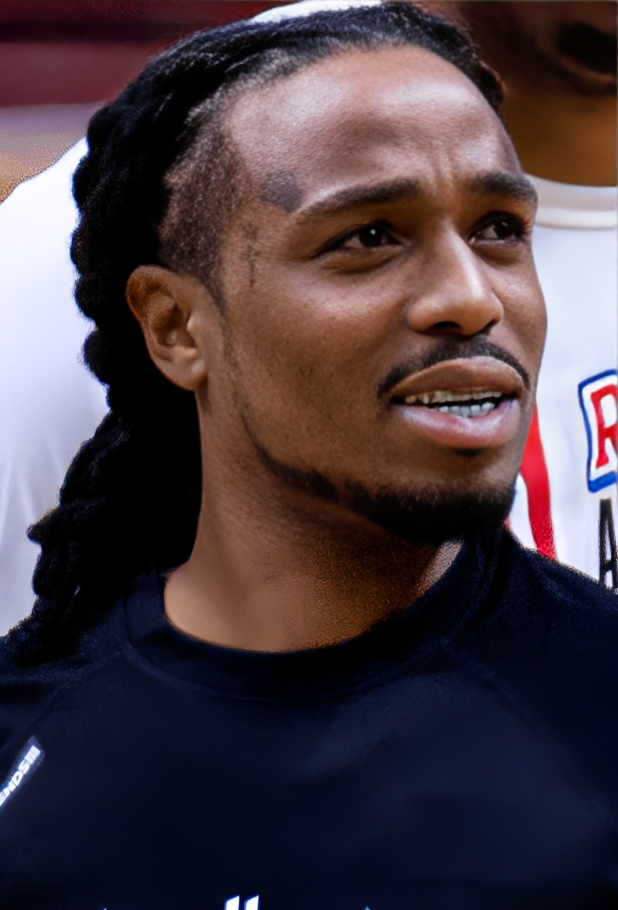
Quavo
Quavo helped make Migos sound instantly recognizable, then had to learn how to carry that family history after the group could never be the same again.

Rod Wave
Rod Wave turned Florida pain, gospel-sized singing and street-level detail into arena music without sanding the hurt out of the records.
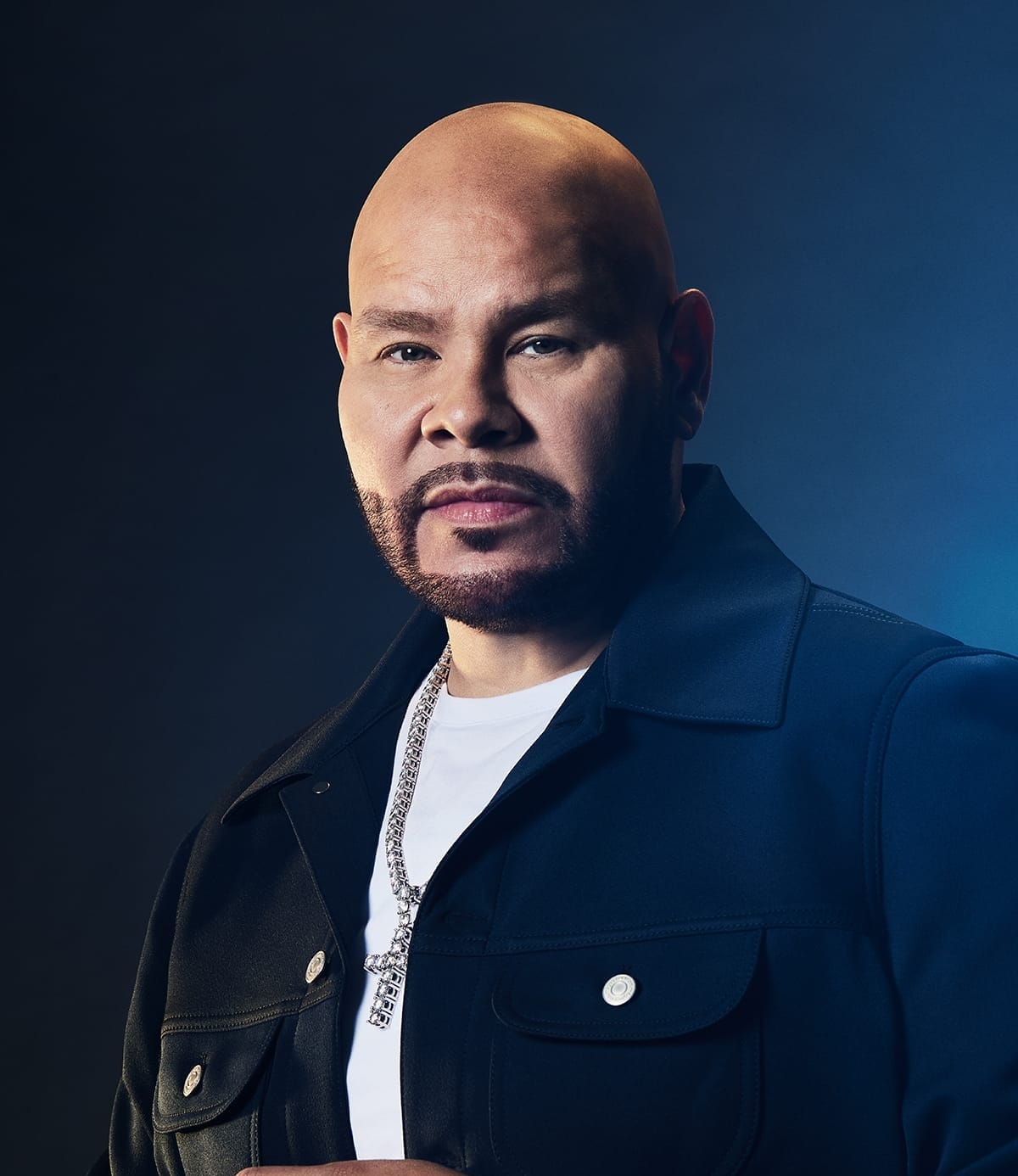
Fat Joe
Fat Joe survived enough New York rap eras to be underground Bronx MC, platinum crossover star, label boss, hitmaker and media personality without any one chapter erasing the others.

Sauce Walka
Sauce Walka built a Houston world loud enough that the music, slang, opinions, money talk and TSF all feel like they come from the same person.

Birdman
Birdman's biggest record was the company. Cash Money took a New Orleans sound, crew and attitude national — then spent decades proving how complicated family and business can get when the money gets huge.

E-40
E-40 made Vallejo slang, independent distribution and an elastic rap flow feel like their own economy long before the Bay needed outside approval.

Jeezy
Jeezy made pressure sound like motivation. The streets were in the records, but so was the belief that you could get out, level up and keep moving.

Nipsey Hussle
Nipsey Hussle treated every fan relationship like something worth owning instead of another click to hand away.

OutKast
OutKast did not make Atlanta sound acceptable to the rest of rap. André 3000 and Big Boi made Atlanta sound like somewhere the rest of rap had to pay attention to.

Snoop Dogg
Snoop Dogg turned a Dr. Dre co-sign into one of rap's longest careers, then came back around to own Death Row—the label that first made him famous.

The Game
The Game made Compton commercially loud again in 2005, using The Documentary to reconnect a new generation to the city’s West Coast history without pretending the ’90s had never ended.

Trina
Trina turned one unforgettable Miami feature into a career that made women’s Southern rap louder, more explicit and harder to treat like a side lane.

Young Thug
Young Thug stretched Atlanta rap into a new vocal language, turning melody, slurred phrasing and fearless style choices into a blueprint heard across the next generation.
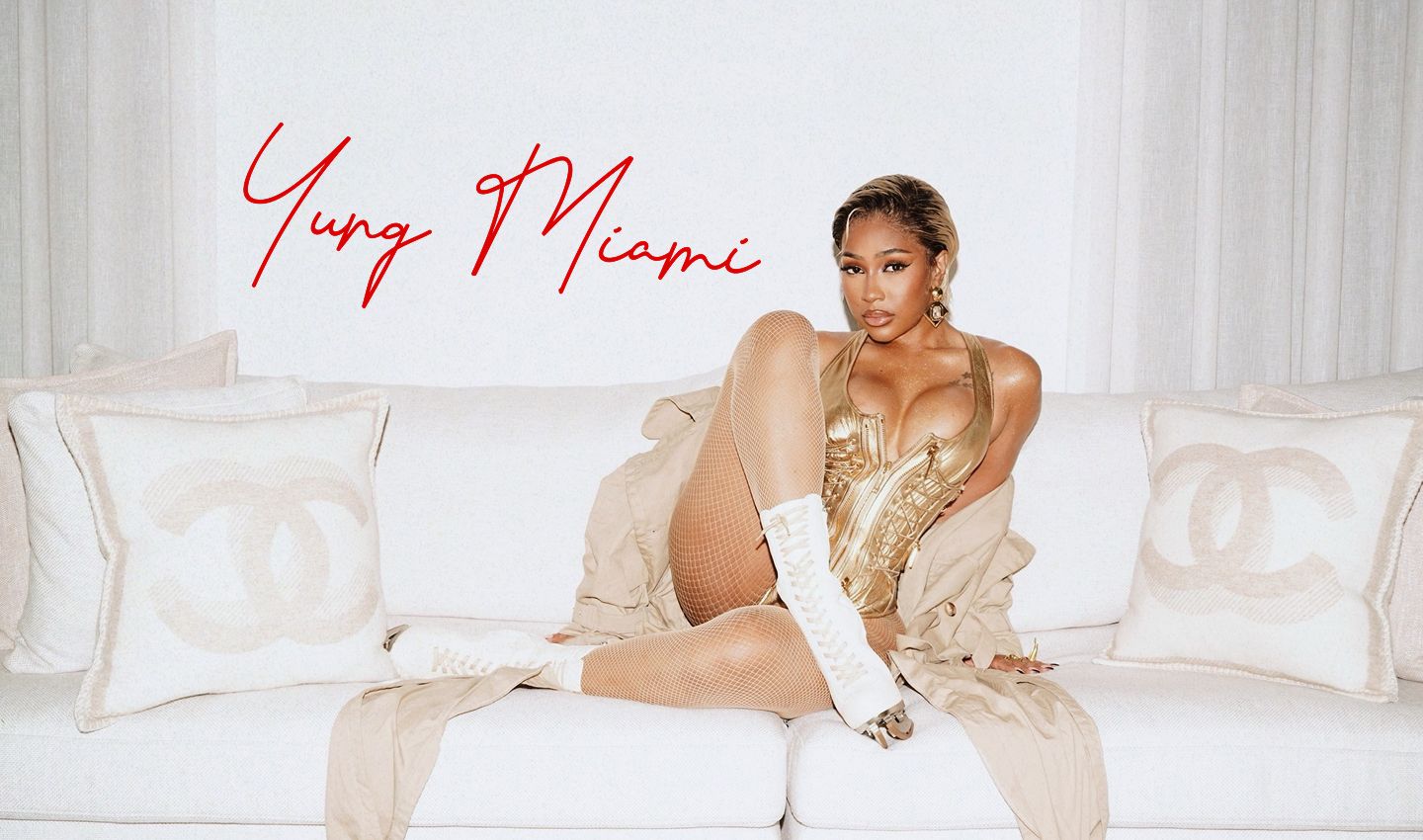
Yung Miami
Yung Miami helped turn City Girls into a national voice for a new Miami generation, then carried the personality, humor and directness into solo music and her own media world.

Akon
Akon’s run was bigger than his own records: the hooks were everywhere, but he was also building labels, producing for other artists and learning how to own more of the business.
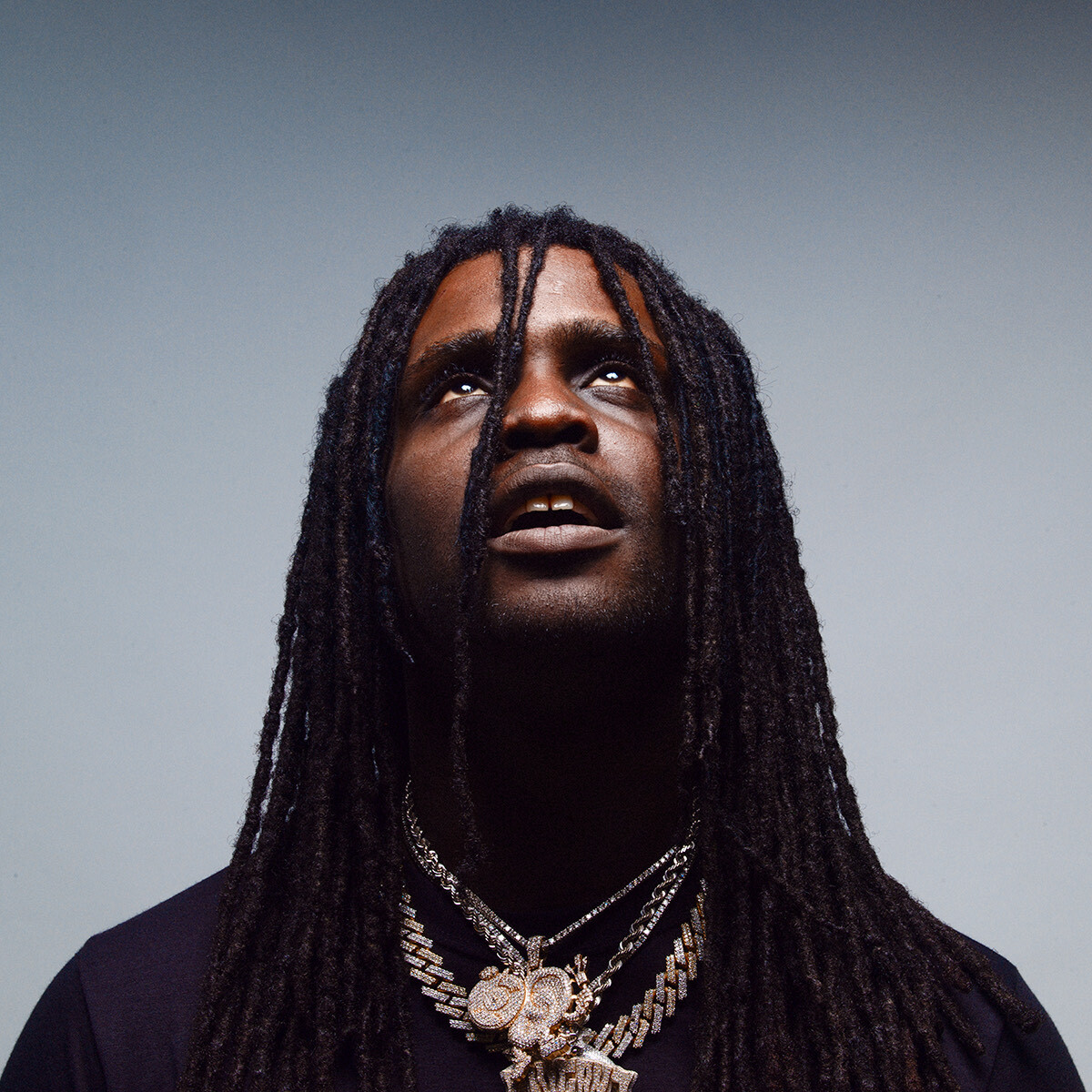
Chief Keef
Chief Keef sounded like Chicago’s next kid for about five minutes. Then the rest of rap spent years catching up to what that kid had already changed.

Eminem
Eminem took Detroit battle-rap hunger worldwide, then used Aftermath, Shady Records and a shape-shifting alter ego to make the career last across generations.

Kodak Black
Kodak Black turned Pompano Beach slang, wounded melody and unpredictable phrasing into one of South Florida’s most influential modern rap voices.

T-Pain
T-Pain made one vocal choice so recognizable it became an era—and then spent the next chapter proving the voice underneath it was always real.

Trick Daddy
Before Miami rap became luxury yachts and global DJ records, Trick Daddy made the city sound hot, angry, proud and unmistakably local.

Tyler, The Creator
Tyler, The Creator built a Los Angeles rap career around creative control—turning Odd Future energy into albums, fashion, design and one of the city’s defining artist-led festivals.

Wale
Wale got bigger without taking D.C. out of the records — and built a career where sensitivity, ego, go-go and rap ambition could all sit in the same verse.

Young Dolph
Young Dolph made independence sound like a flex because, in his case, it was tied to real control, real money and a label people could actually see moving around him.

Curren$y
Curren$y turned patience into a rap business model: leave the wrong deals, release constantly, own a recognizable world and let a loyal audience compound over years.

EARTHGANG
The Atlanta duo whose elastic Southern rap, live-wire personalities and Spillage Village roots helped connect the city’s experimental underground to Dreamville’s national platform.

G Herbo
G Herbo came out of Chicago drill rapping like survival had details the headlines were missing — then spent the next decade explaining what those years did to the people who lived them.

Icewear Vezzo
Icewear Vezzo was doing the Detroit version of the job before the rest of rap decided Detroit was one of the places everybody needed to watch.

Ken Carson
Ken Carson took the Opium/rage language from cult internet energy into Top 10 and No. 1 albums without smoothing out the noise that built the audience.

Paul Wall
Paul Wall turned Houston mixtape roots, a one-of-one voice and a real jewelry craft into a career that still feels more Houston than celebrity.

Playboi Carti
Playboi Carti turned minimal bars, voice-as-texture and a tightly controlled visual world into one of the main blueprints younger internet rap keeps mutating.
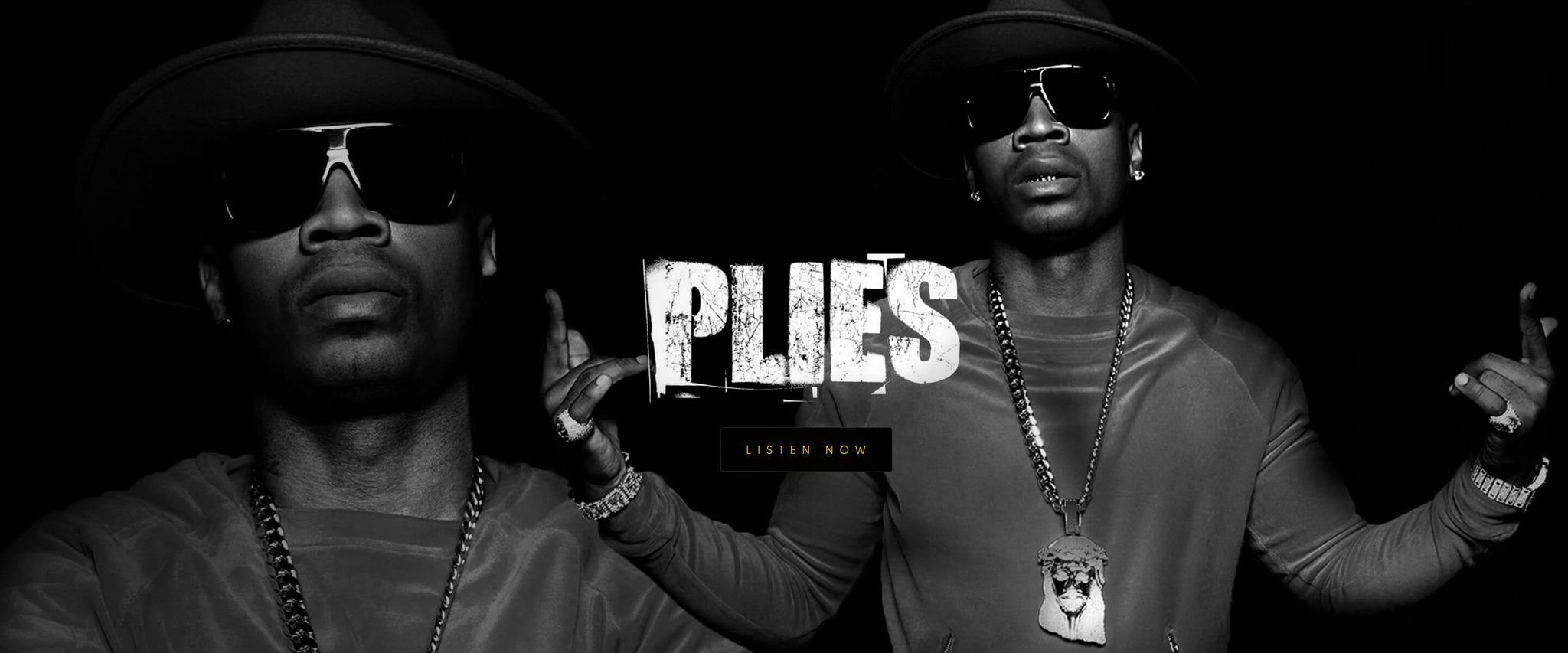
Plies
Plies gave Slip-N-Slide a 2000s Florida chapter of its own, turning Fort Myers street detail and a plainspoken voice into a national run.

Slim Thug
Slim Thug built the kind of career that makes more sense after the hype leaves: Houston stayed, the catalog stayed, and the business still had to work.

Too $hort
Too $hort helped prove a Bay Area rapper could sell his own world first, take it national later and still be making records more than four decades into the run.

Babyface Ray
Babyface Ray sounds like Detroit because he never had to learn how to perform Detroit for people outside the city. The rest of the country just caught up to what was already there.

Chance the Rapper
Chance turned Chicago mixtape momentum into one of rap’s clearest independence experiments — then had to rebuild in public when the model stopped feeling invincible.

DaBaby
DaBaby turned a clipped Charlotte cadence, physical delivery and relentless video presence into one of rap’s fastest late-2010s breakouts, then had to rebuild what came after the peak.

DJ Khaled
DJ Khaled figured out how to make the guest list feel like the event. Half the excitement was hearing who he managed to get in the same room.

Doe Boy
A Cleveland rapper who turned an early Future co-sign into one of Freebandz’s longest-running artist relationships while building his own RBMG lane around relentless trap releases.

Fat Trel
Fat Trel carried a raw Washington, D.C. street voice through Board Administration, MMG, prison, sobriety and back into an active independent catalog.

Ice Cube
Ice Cube took South Central Los Angeles from N.W.A into one of rap’s strongest solo runs — then carried the same point of view into Friday, film ownership and four decades beyond music.

Ja Rule
Ja Rule made a gravelly Queens voice work inside rap, R&B and pop at the same time, helping turn melodic duets into one of the defining crossover formulas of the early 2000s.
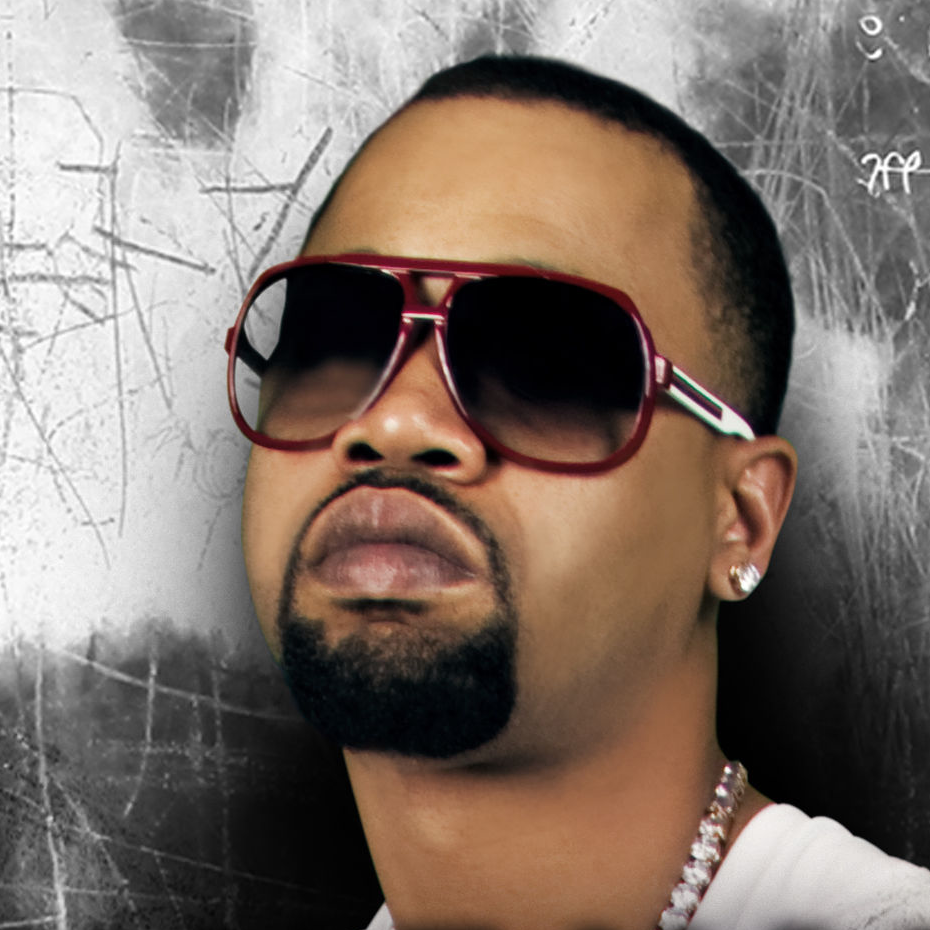
Juvenile
Before New Orleans became a permanent part of mainstream rap, Juvenile helped make the city’s voice impossible to treat like a regional footnote.
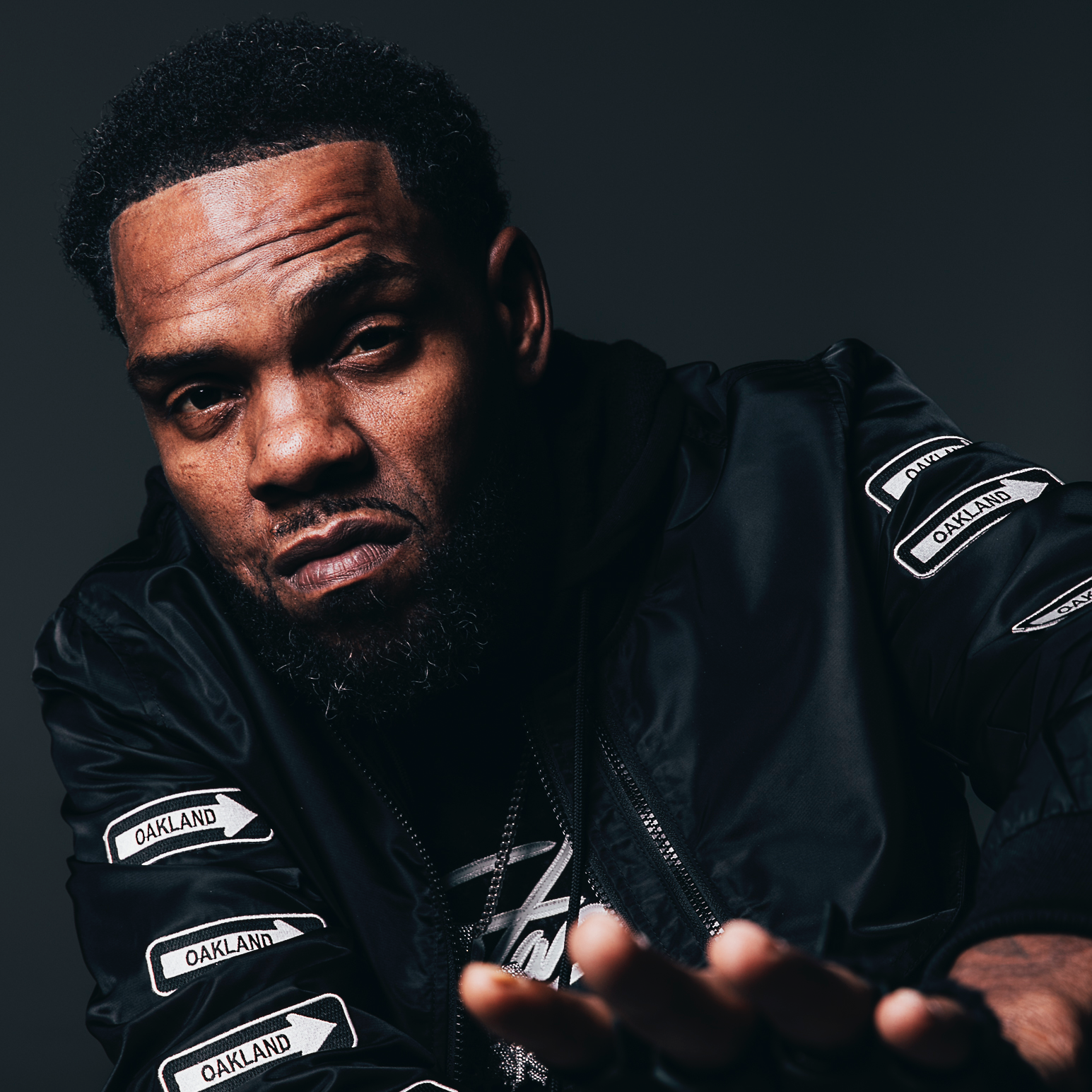
Keak da Sneak
Keak da Sneak did more than rap over hyphy beats. His voice, slang and records helped make the Bay’s wildest era sound like Oakland talking to itself before the rest of the country caught on.

Kevin Gates
Kevin Gates made confession, melody and Baton Rouge street detail live in the same voice—and helped shape the pain-rap lane that followed him.

Key Glock
Key Glock had to do two things at once after losing Young Dolph: carry Paper Route history with respect and keep proving his own career was never supposed to stop at being Dolph's younger partner.

Mac Dre
Mac Dre became a Bay Area legend because the region never stopped carrying him forward — the music, slang and Thizz world kept growing long after the national industry missed the moment.
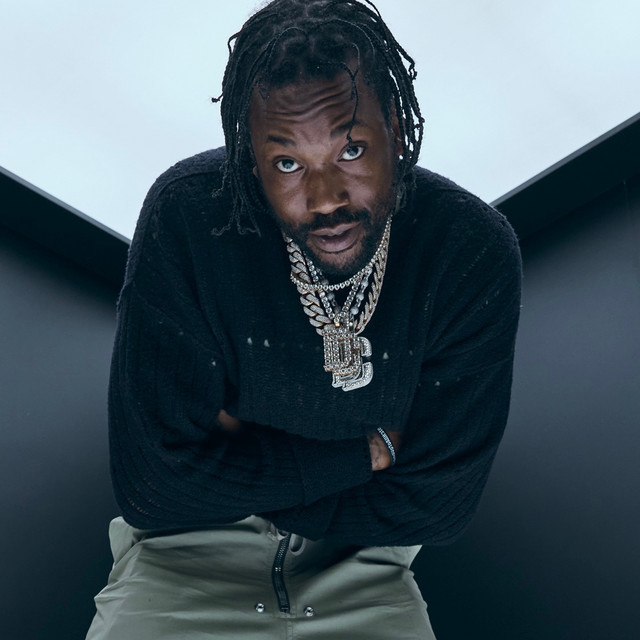
Meek Mill
Meek Mill took Philadelphia battle-rap urgency to the mainstream, then turned a probation fight, Dream Chasers and a long comeback run into a career bigger than one label era.

Mistah F.A.B.
Mistah F.A.B. made Oakland slang, hyphy energy and neighborhood pride feel like one voice, then stayed rooted in the city long after the national spotlight moved.

N.O.R.E.
N.O.R.E. built two lasting hip-hop careers: first as a Queens rapper from The War Report generation, then as a host who turned artist conversation into Drink Champs.

Nas
Nas made Queensbridge detail feel literary without cleaning up the block it came from — then stayed around long enough to watch one album become a measuring stick for generations.

Ne-Yo
Ne-Yo learned how to make songs work for other artists before his own voice became one of the defining sounds of 2000s R&B.

Rakim
The Long Island MC whose calm delivery, internal rhyme and written precision reset the technical ceiling for rap in the late 1980s.

Rihanna
Rihanna turned hitmaking into a wider ownership story where music, beauty, lingerie and brand control all reinforce the same name.

Scarface
Before Houston had a national moment, Scarface was already making the city impossible to ignore.

B.G.
Before Cash Money became a national dynasty, B.G. was one of the teenage voices growing up inside the label—and one half of the B.G.’z with a young Lil Wayne.

Big Sean
Big Sean turned one Detroit parking-lot freestyle into a long national career, then kept rewriting what success was supposed to feel like after the G.O.O.D. Music chapter ended.

Destroy Lonely
Destroy Lonely took Opium’s dark, fashion-heavy internet world and made it feel less like Carti’s shadow and more like its own lane.
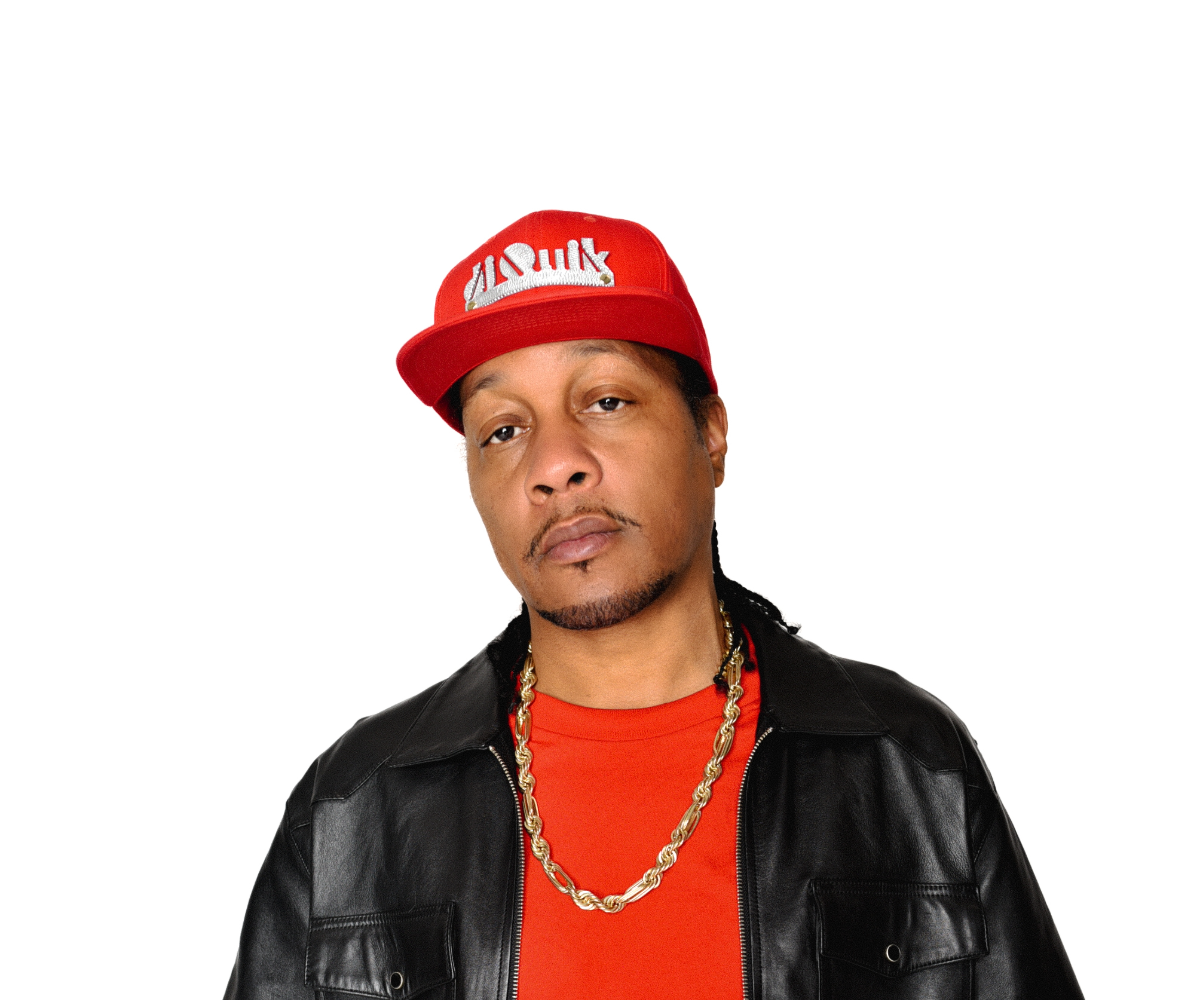
DJ Quik
DJ Quik proves Compton had more than one production family: a musician-producer-rapper whose bounce, live instrumentation and studio craft built a parallel West Coast lineage outside the N.W.A. tree.

Fetty Wap
Fetty Wap made Paterson melody feel effortless, turning “Trap Queen,” “679” and “My Way” into a 2015 run that changed what a rap breakout could sound like.

Goodie Mob
If OutKast showed how far Atlanta could travel, Goodie Mob made sure the city’s pressure, politics and neighborhood reality traveled with it.

Gucci Mane
Gucci Mane helped make Atlanta trap a language, then turned 1017 into a platform for the next wave.

Homixide Gang
Homixide Gang gave Opium another Atlanta branch — harder, more duo-driven and closer to the label’s street-rap edge than Carti or Ken alone.

Hot Boys
Juvenile, B.G., Lil Wayne and Turk turned Cash Money's young New Orleans roster into a real group—four different voices that helped carry the label from regional heat into national rap.
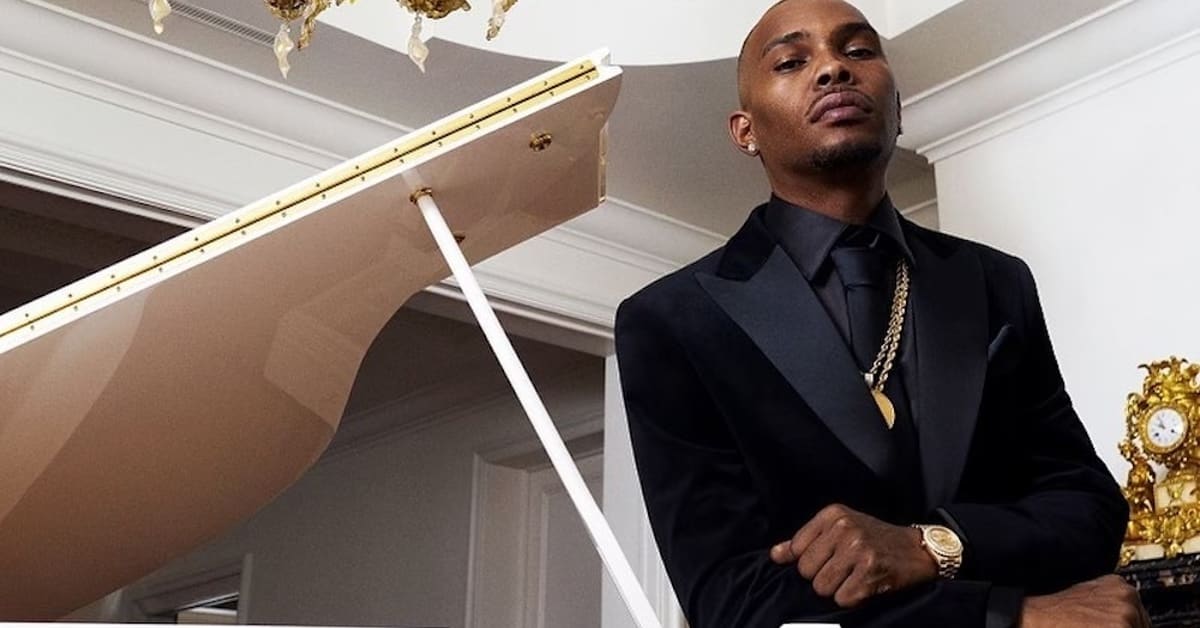
J. Stone
A Crenshaw rapper whose years beside Nipsey Hussle turned loyalty, loss and independent infrastructure into the center of a long-running All Money In catalog.

JID
JID can rap circles around a lot of people. The more important part of the run is what happened when the bars stopped being the whole reason to listen.

Larry June
Larry June built a Bay Area career where calm delivery, health-and-wealth language and independent-minded business choices became one recognizable world.

LL Cool J
A Queens pioneer who helped turn Def Jam from a startup label into a rap institution, then stretched one MC career across four decades without giving up the competitive edge that made the name matter.

Ludacris
Ludacris turned Atlanta radio instincts, elastic delivery and Disturbing tha Peace into a durable multi-lane career.

Mike Jones
Mike Jones turned repetition, a phone number and a Houston mixtape name into one of rap’s simplest marketing ideas—and then backed the gimmick with records people still know word for word.

Nelly
Nelly made St. Louis impossible to ignore, blending Midwestern slang, sing-song rap and pop instincts into one of the biggest crossover runs of the early 2000s.
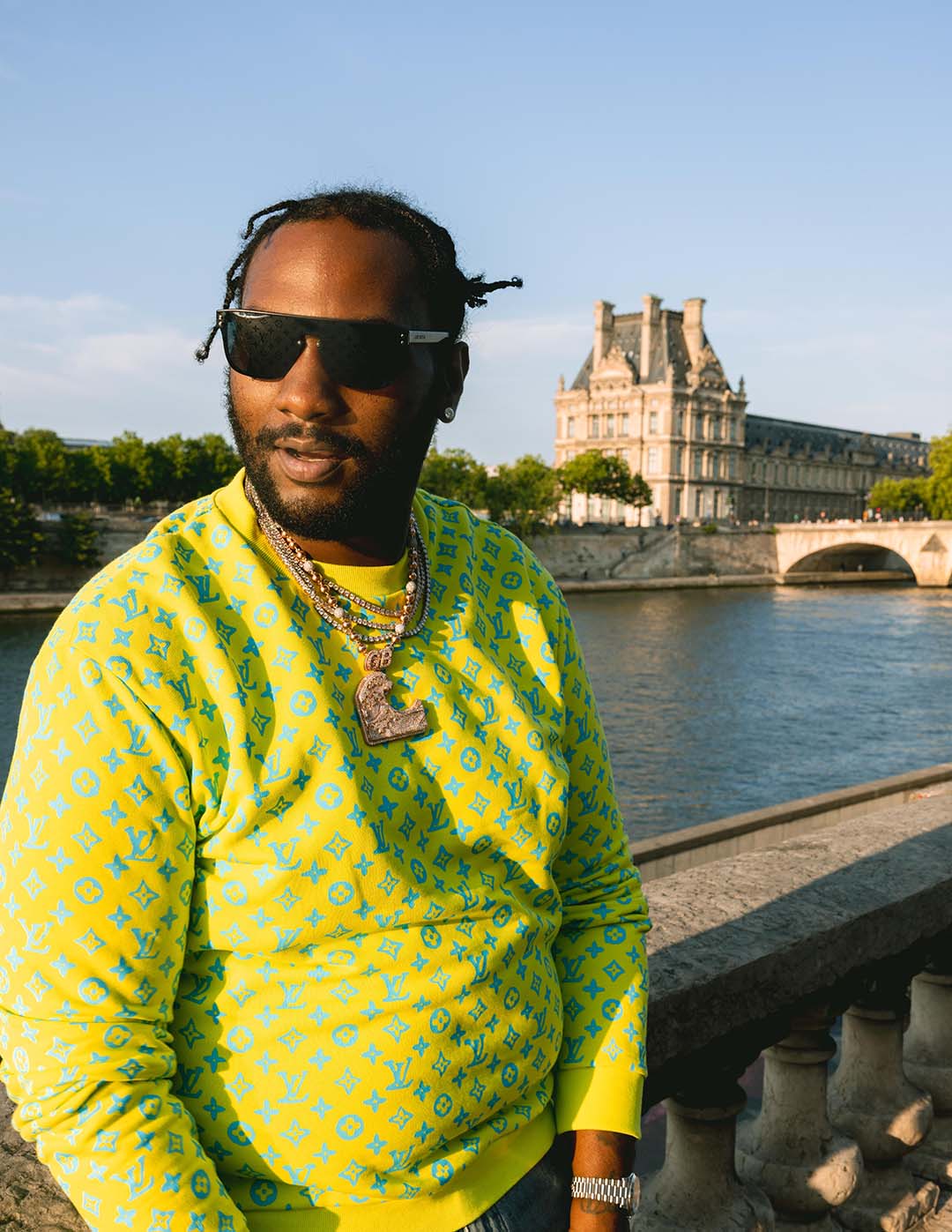
Peezy
Peezy helped carry Team Eastside from a local Detroit crew into the sound that made the city impossible to ignore.

Shy Glizzy
Shy Glizzy made D.C. street rap sound like nobody else — then took that voice national without sanding the city out of it.

Slum Village
Slum Village turned Detroit friendship, J Dilla’s swing and off-center soul into a sound that still moves.

Young Dro
The Atlanta rapper whose colorful language, off-center punch lines and “Shoulder Lean” breakout gave Grand Hustle its first major artist win outside T.I.’s own career.

21 Savage
An Atlanta rapper whose flat delivery, sparse writing and cold detail turned restraint into one of the most recognizable voices in modern trap.

Blade Icewood
Blade Icewood became a Detroit reference point so strong that later generations still use his name, style and ‘boss up’ language to explain what the city sounds like.

Boosie
Boosie turned Baton Rouge pain, humor and survival into a fiercely loyal Southern catalog, then built a second act around independence, films and direct-to-fan media.

Chingy
A St. Louis rapper whose clipped cadence and regional slang turned early-2000s Midwest rap into crossover records without losing the local voice underneath them.
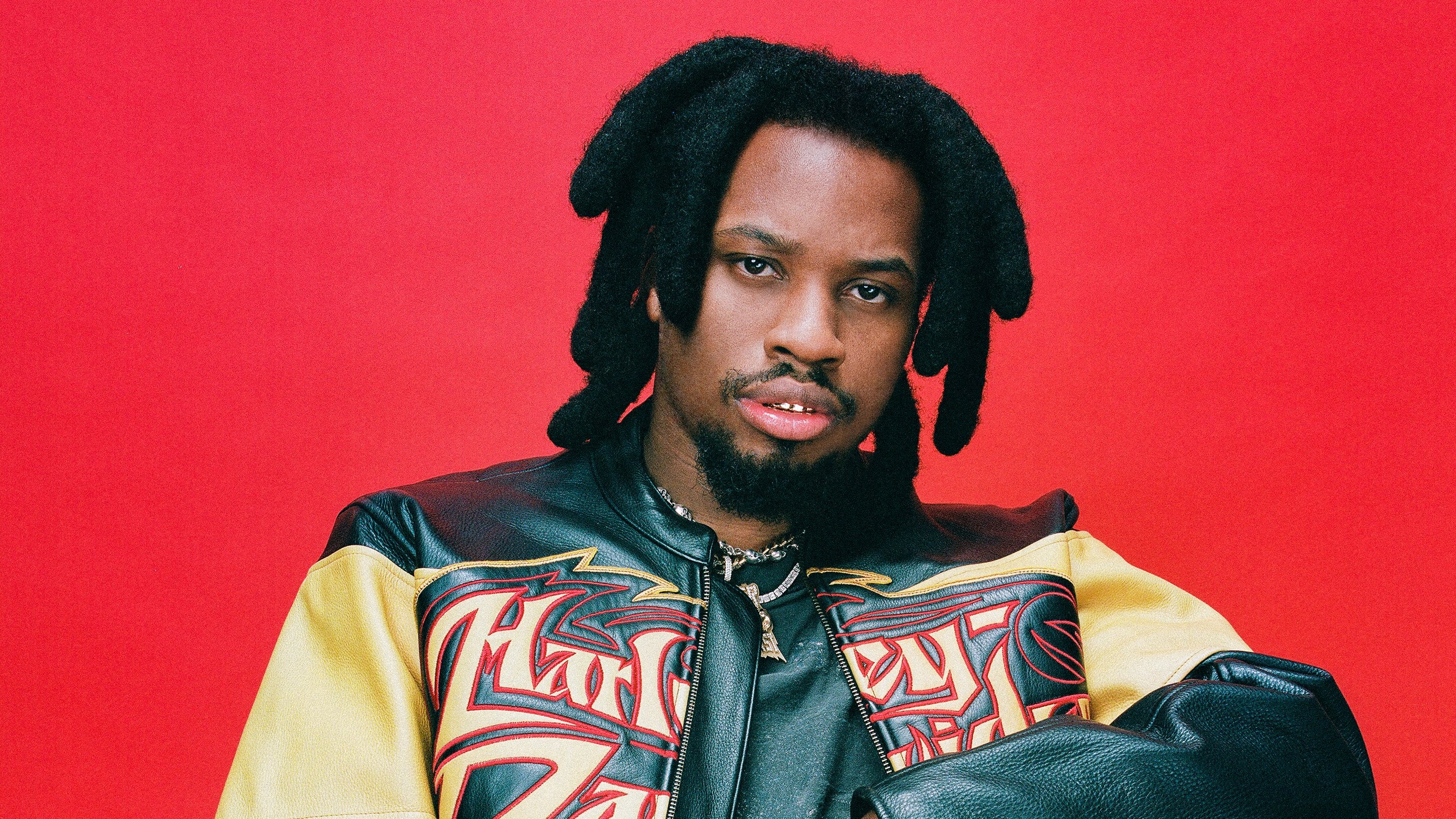
Denzel Curry
Denzel Curry helped make South Florida one of SoundCloud rap’s early centers, then kept stretching far enough that the internet scene never became a cage.

DMX
DMX made pain, prayer and aggression feel like the same conversation—and took that voice straight to No. 1.

Dom Kennedy
Dom Kennedy made independence sound like Los Angeles itself—local, relaxed, specific and uninterested in changing shape just to fit a major-label lane.

Eazy-E
Eazy-E didn't just become N.W.A.'s unmistakable voice. He put money behind the room, helped build Ruthless Records and helped turn Compton rap into a national force.
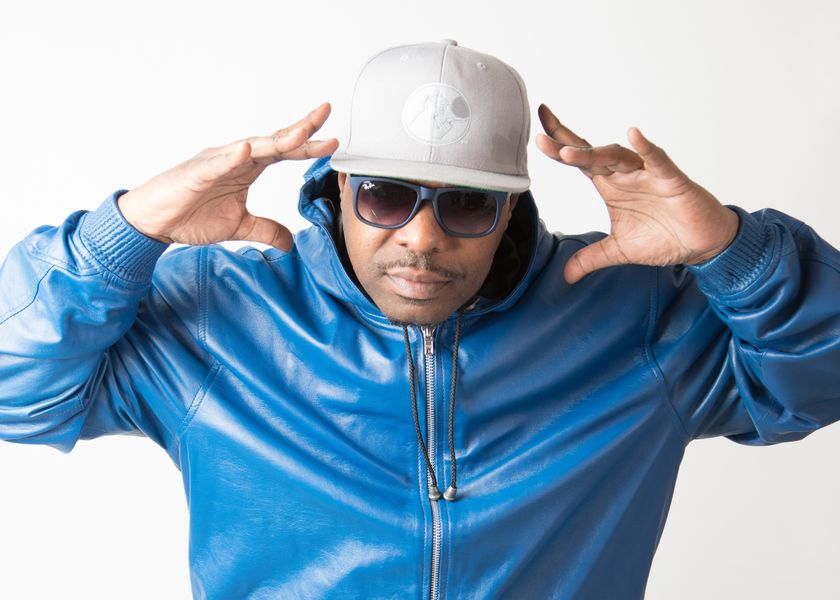
Esham
Before Detroit had a national rap industry, Esham was already proving the city could invent a sound, press its own records and build an underground audience on its own terms.

Geto Boys
Houston’s Geto Boys forced Southern rap into the national conversation before the industry was ready for it.

Kamaiyah
Kamaiyah carried Oakland confidence into a newer generation without pretending the city’s history ended when hyphy’s national moment cooled off.

Kid Cudi
A Cleveland artist whose melodic, emotionally direct approach helped widen rap’s language for vulnerability, atmosphere and genre crossover.

Mia X
No Limit’s first female rapper—and one of the voices that made the tank feel like a New Orleans crew, not just Master P’s company.

N.W.A
N.W.A made Compton impossible for the rest of America to ignore, then watched the group split into solo branches that reshaped rap all over again.

Nicki Minaj
Nicki Minaj turned Queens mixtape hunger into a global rap career without giving up the voices, punchlines and character work that made her impossible to confuse with anybody else.

NoCap
A Mobile rapper whose Auto-Tuned melodies, dense wordplay and vulnerable street writing turn pain, ambition and survival into highly personal Southern rap.

PARTYNEXTDOOR
PARTYNEXTDOOR helped make OVO feel like a sound, not just Drake’s logo — private, nocturnal R&B where songwriting and atmosphere do as much work as celebrity.

Payroll Giovanni
Payroll Giovanni came out of Doughboyz Cashout, then built a long solo run on money talk, patience and Detroit game. His career connects an older street-rap era in the city to the wave people know now.

The Roots
The Roots turned a live band into one of hip-hop’s deepest machines, giving Black Thought’s writing and Questlove’s drums room to grow across three decades.

Three 6 Mafia
Three 6 Mafia made Memphis darkness, hypnotic repetition and trunk-rattling production into a language the rest of rap is still speaking.

Turk
The youngest Hot Boys chapter was never just Wayne’s story. Turk gave the group another Magnolia Projects voice and carried that identity through prison, independence and reunion years.

Uncle Luke
Before Miami rap had Trick Daddy, Trina, Rick Ross or City Girls, Uncle Luke helped turn bass, parties, controversy and local independence into a city-wide rap identity.

Waka Flocka Flame
Waka Flocka Flame made raw energy the whole point, helping turn blown-out Lex Luger drums, shouted hooks and mosh-pit intensity into an Atlanta trap template.

CHIKA
A Montgomery rapper, singer and writer whose dense pen, melodic instincts and direct self-examination move easily between rap, R&B and spoken-word roots.

Common
Common turned Chicago introspection into a durable rap career built on writing, musical curiosity and a willingness to let hip-hop grow with him.

Earl Sweatshirt
A Los Angeles rapper whose dense internal writing, fractured production choices and refusal to chase scale helped shape the modern abstract-rap underground.

Flo Milli
A Mobile rapper whose sharp delivery, taunting hooks and playful confidence turned internet-era virality into a durable Southern rap catalog.

GloRilla
GloRilla turned Memphis grit, a low-register voice and chant-ready records into one of the fastest major rap breakthroughs of the 2020s.

KRS-One
The Bronx MC who turned street-level battle rap, political teaching and live-performance authority into one of hip-hop’s most durable definitions of what an MC can be.

Lloyd Banks
Lloyd Banks came from one of the loudest rap crews of the 2000s and built his reputation the opposite way — quiet voice, cold punchlines, let the bars do the talking.

Rapsody
A North Carolina lyricist whose detailed writing, album craft and long partnership with 9th Wonder built one of rap’s most durable modern pen-first careers.

Royce da 5'9"
Royce da 5'9" built a Detroit career around elite pen work, surviving industry detours and turning long-term relationships with Eminem and DJ Premier into separate lanes.

Rylo Rodriguez
A Mobile rapper whose conversational detail, unexpected sample choices and off-center phrasing turn street memories into tightly written melodic rap.

Tierra Whack
A Philadelphia artist whose surreal visuals, compressed songwriting and elastic delivery turn rap albums into tightly designed worlds.

Yelawolf
An Alabama rapper who built a long career by connecting rapid-fire Southern rap, rural imagery, rock and country without treating those lanes as separate identities.
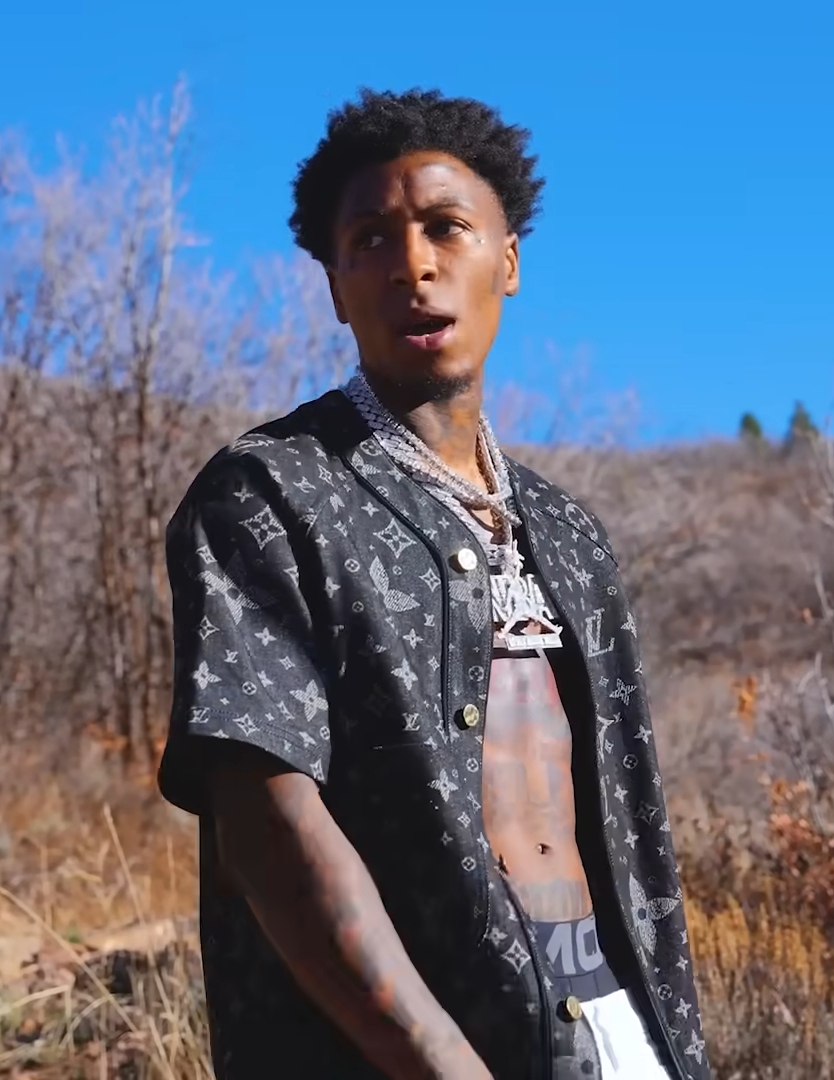
YoungBoy Never Broke Again
YoungBoy Never Broke Again built one of rap’s fiercest fan relationships by turning Baton Rouge pain, melody and relentless output into a direct-to-listener machine.