BOOTH TO
BOARDROOM
The records made the name. We follow what they built with it — the companies, ownership, deals, risks, misses and decisions that made the run bigger than music alone.
Full career business documentaries. How one move opened the next.
One transaction, company or partnership broken all the way down.
What changed now, what the structure means and what to watch next.
50 Cent Kept Turning One Win Into the Next Move
Vitaminwater is only one chapter. 50 Cent’s full business run moves from Columbia and mixtapes to G-Unit, licensing, equity, Power, bankruptcy, television production and a developing Shreveport studio bet.
THE RUNS
Not a list of side businesses. The full path from the records into ownership, companies, partners, setbacks and what lasted.
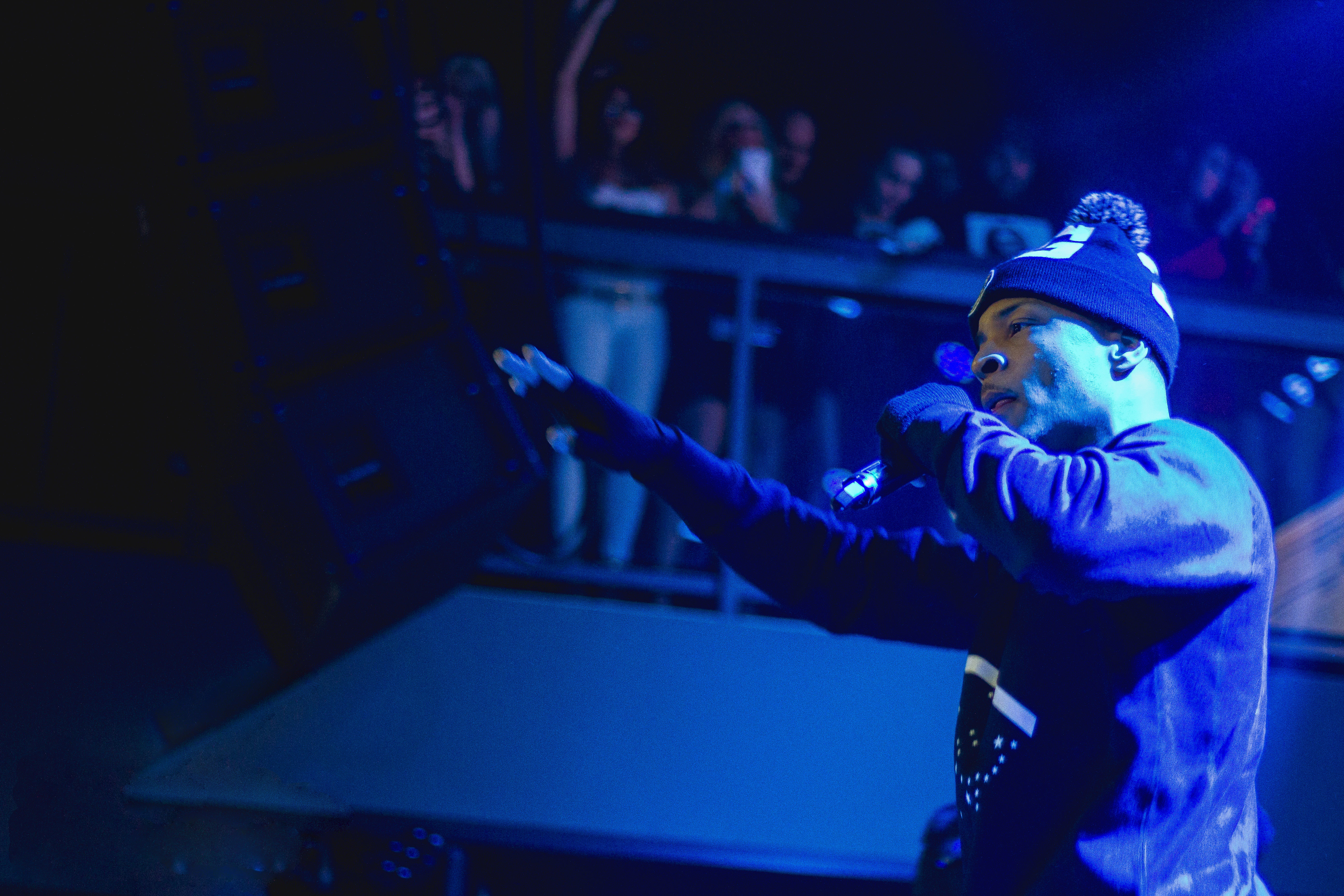
After Arista, T.I. Built Grand Hustle — Then Changed the Kind of Deal He Could Ask For.
After the first label chapter stalled, T.I. and Jason Geter built Grand Hustle, rebuilt demand and returned to the majors looking for a partner. The leverage story kept expanding from there.

How Young Dolph Built Paper Route Empire Beyond His Own Career
Young Dolph’s independence story became bigger than his own catalog. Paper Route Empire developed Key Glock, built a Memphis roster and kept operating after Dolph’s death.

Chance the Rapper Didn’t Do Independence Alone
Chance the Rapper’s Grammy-winning independent run was never a one-man operation. Free mixtapes, a professional team, touring, a $500K Apple deal and later setbacks show what independence actually required.

Tyler, the Creator Built a World First. The Businesses Came After.
Tyler, the Creator did not start with a festival and clothing portfolio. Odd Future, the visuals and the music made the world recognizable first—then GOLF WANG, Camp Flog Gnaw and GOLF le FLEUR* gave that taste new places to live.

JAY-Z Kept Moving Closer to the Ownership Side of the Deal
JAY-Z’s business story is not “never sell.” Roc-A-Fella, Rocawear, Roc Nation, Tidal and his spirits stakes show a pattern: get closer to ownership, then use ownership to create choices.

Rihanna Didn’t Just Lend Fenty Her Name. She Owned the Upside.
Rihanna brought global attention into Fenty Beauty, but the bigger move was ownership. The product solved a visible problem, LVMH/Kendo supplied operating scale, and Rihanna participated in the company’s upside.
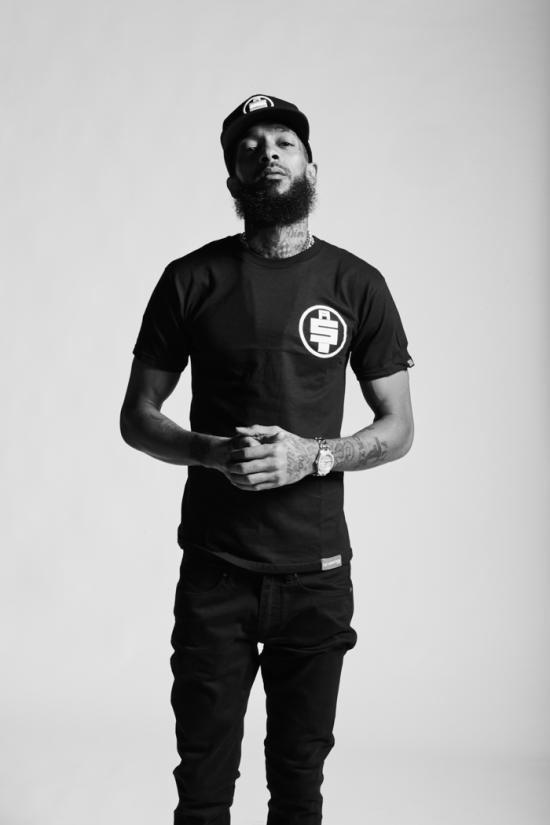
Nipsey Hussle Didn’t Stop at Owning the Music. He Started Buying the Ground Under It.
Nipsey Hussle’s ownership story went beyond the music. All Money In, Proud2Pay, The Marathon Clothing and real estate show how he kept moving the ownership line outward.
THE DEALS
The check is the headline. The structure explains why the check was possible.

Drake Kept 44% of OVO’s IP. Authentic Took 51%. Vince Took the Operating Business.
OVO’s deal separates the brand’s IP from its retail operating business: Authentic owns 51% of the IP entity, Drake 44%, Vince 5%, while Vince runs the stores, e-commerce and wholesale business under license.
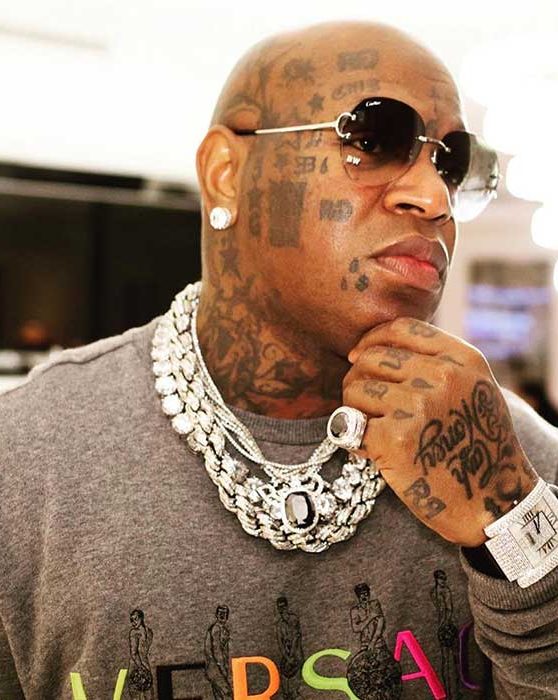
Cash Money Was Already Winning in New Orleans. Universal Helped It Go National.
Cash Money did not meet Universal as an idea. Birdman and Slim already had a label, regional sales, a roster and a sound. The 1998 relationship solved the next problem: scale.

50 Cent Didn’t Just Endorse Vitaminwater. He Took Equity.
Most celebrity deals pay for attention. 50 Cent’s Vitaminwater relationship gave him a small Glacéau equity stake—and that changed what happened when Coca-Cola bought the company.

Dame Dash Helped Build Roc-A-Fella. Then the Partnership Got Complicated.
Roc-A-Fella started because JAY-Z, Dame Dash and Biggs built the company themselves. The label became valuable—and that is when ownership, decision rights and partnership clarity got more complicated.
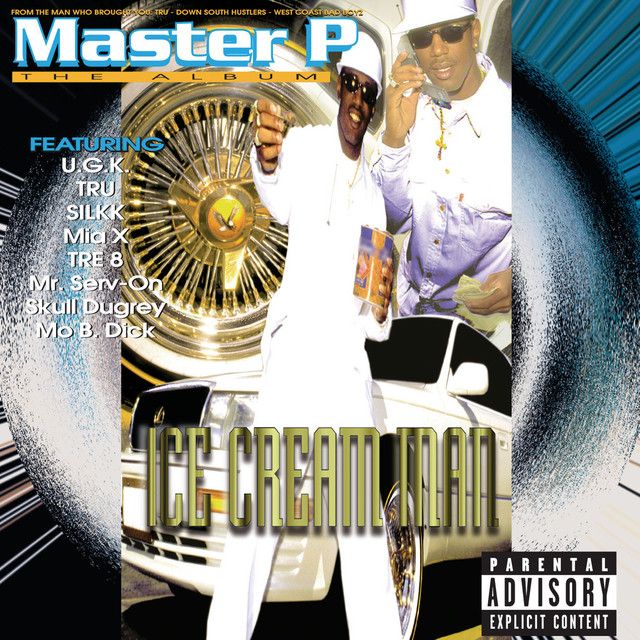
Master P Didn’t Need a Major-Label Deal. He Needed Distribution.
Before Priority, Master P had already learned how to sell records himself. No Limit needed national distribution, not another company to become the label for him.

Beats Wasn’t Just Headphones. It Was Dre Turning Taste Into a Company Apple Wanted.
Apple owns Beats today, but the road there included Monster, HTC, Carlyle, changing ownership and a move into streaming. Dre’s name opened the door; the company had to become worth buying.
THE BRIEFS
Fast business reporting without losing the part people actually need: who owns what, what changed and what the headline leaves out.
T.I. Put Money Into an AI Data Company Built Around Licensed Culture
T.I. invested in pocstock, a company licensing rights-cleared visual content and AI datasets. His investment amount, ownership percentage and deal terms are not public.
Pusha T and Pharrell Turned “Grindin’” Into a Coffee Brand With Lavazza
Pusha T and Pharrell launched Grindin Coffee with Lavazza behind the coffee. The product is real and on sale. The ownership split and financial terms are not public.
Deep ideas. Plain words. Real receipts. Full context.
Facts matter more when the order is clear: what happened first, what changed next, who owned what, what failed and what the move made possible.