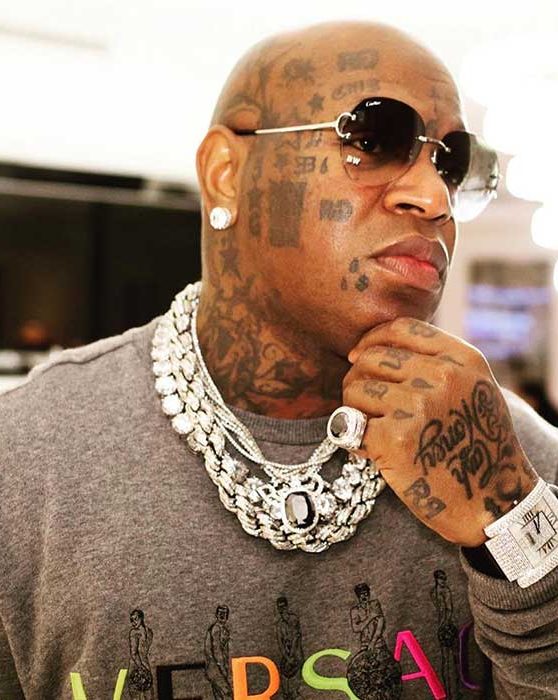
pocstock announced on September 15 that T.I. has invested in the Newark-based media and AI-data company. The public announcement is specific about one thing that matters: T.I. is an investor. It does not describe him as a founder, operator or executive, and it does not disclose how much he invested or what percentage of the company he owns.
That distinction is the story.
pocstock’s business sits where stock media, licensing and artificial-intelligence training data meet. The company says it supplies brands and technology companies with rights-cleared visual content and culturally informed datasets. Its current site also markets pre-built and custom photo, video and illustration datasets for AI and machine-learning work.
For creators, the business problem underneath that pitch is increasingly important. AI systems need enormous amounts of data. But the commercial value of that data depends on questions that existed long before the current AI boom: Who owns the underlying work? Who gave permission? Who can license it? And who participates in the money created from it?
T.I.’s investment does not answer those questions for the wider industry. It does show where he is placing capital: behind a company whose product is built around licensed cultural material rather than scraping first and sorting out rights later.
What is public
pocstock publicly identified T.I. as an investor. The company describes itself as a content and data licensing business working across culture, media and AI. Its materials emphasize rights-cleared datasets, consent, licensing and creator participation.
The company’s founders remain Steve Jones and DeSean Brown. The announcement says T.I.’s involvement is limited to his role as an investor.
What is not public
The announcement does not disclose T.I.’s check size, ownership percentage, company valuation, board rights, revenue share, liquidation terms or any other investment economics.
It also does not say that Grand Hustle, T.I.’s music catalog or his personal likeness is being licensed into pocstock’s datasets.
Those are meaningful differences. An investment can create upside without creating operational control, and a strategic fit does not tell us the cap table.
Why this move is worth watching
The most interesting part is not simply that a rapper invested in an AI company. T.I. has spent years building businesses around music, publishing, entertainment and ownership. This investment puts him next to another asset class: licensed cultural data.
If AI training and media-generation systems keep growing, high-quality data with clear permissions can become more valuable precisely because the rights are clear. pocstock is betting that representation and licensing can be part of the same commercial product.
The next proof will come from execution: who licenses the datasets, how creators participate economically, whether the company expands major technology partnerships, and whether T.I.’s role ever becomes larger than the investor position disclosed today.