50 Cent Kept Turning One Win Into the Next Move
Booth to Boardroom · The Run

50 Cent Kept Turning One Win Into the Next Move

Vitaminwater is only one chapter. 50 Cent’s full business run moves from Columbia and mixtapes to G-Unit, licensing, equity, Power, bankruptcy, television production and a developing Shreveport studio bet.

Rap Recap Live Sep 15, 202610 chapters12 min
The arc: Columbia fallout Vitaminwater equity Shreveport
Scroll to start the run ↓
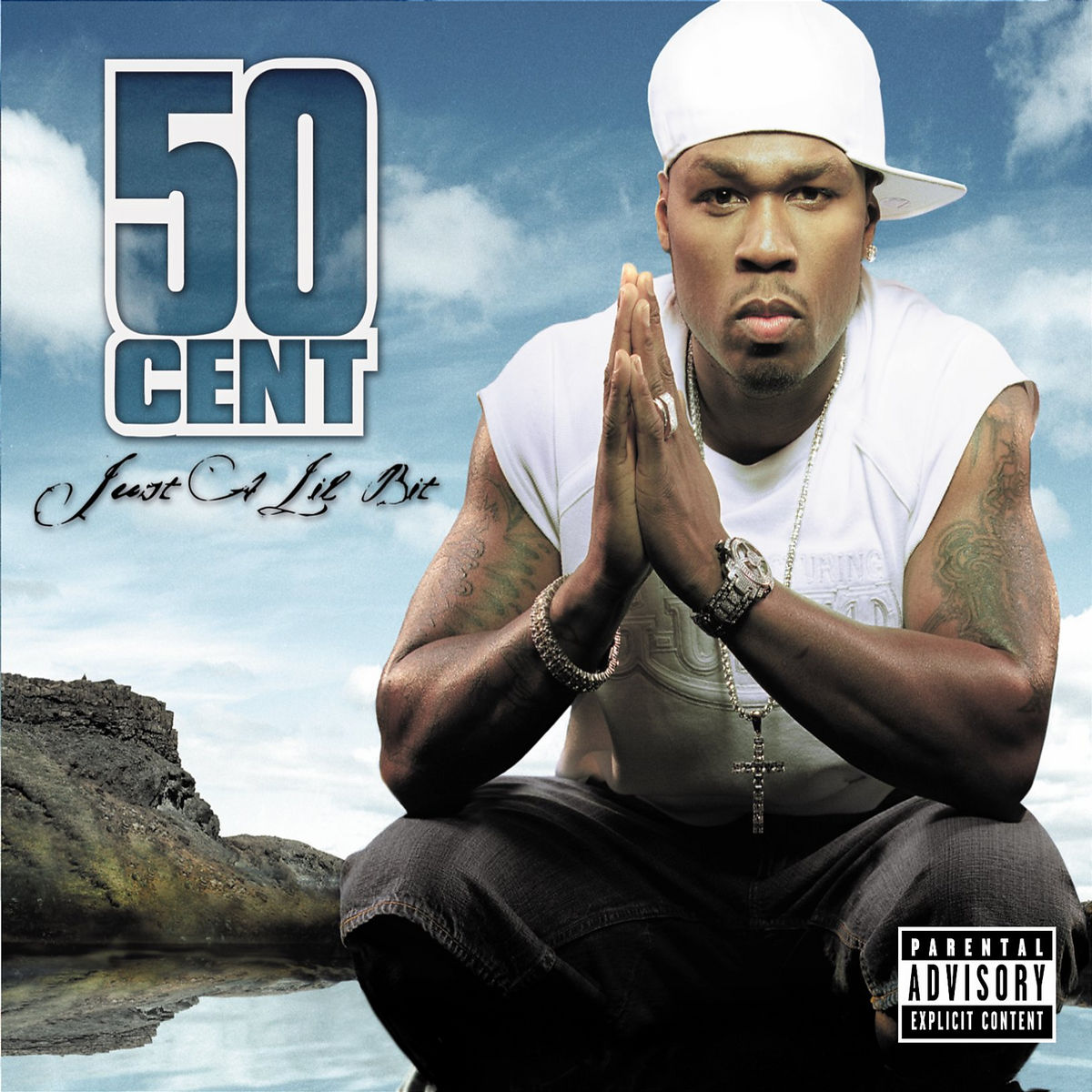
Image: MILLION DOLLAZ WORTH OF GAME / Wikimedia Commons · Source ↗
01 / 10Getting dropped forced the career back to demand
Start here
THE
RUN

The Vitaminwater check is one chapter. The real story is how many times 50 Cent changed what the last win could do.

Most business stories about 50 Cent begin and end with Vitaminwater.

He got a small equity stake.

Coca-Cola bought Glacéau.

Forbes later reported a huge gain for 50.

That deal deserves the attention. But it can hide the bigger pattern.

50 had already rebuilt his career after Columbia dropped him. He had turned mixtape demand into a Shady/Aftermath deal. He used part of that deal to register trademarks and build G-Unit Records. Then came clothing, sneakers, games, film and brand deals.

Years later, when some of those first businesses had faded and his finances entered Chapter 11, another part of the career was getting stronger: television.

Power became a franchise. G-Unit Film & Television expanded. FOX became another partner. By 2026, 50 was also trying to turn Shreveport into a much larger production and entertainment base.

That is the full run.

Not one perfect deal.

A series of moments where 50 asked a new version of the same question:

What can the attention from this win help me build next?

The Run Line

HOW THE ROLE CHANGED

Five turns show the shape of the run. The chapters fill in everything between them.

01
Columbia fallout
02
Shady / Aftermath
03
Vitaminwater equity
04
Chapter 11 reset
05
Shreveport
01

Getting dropped forced the career back to demand

Before 50 Cent became one of rap's biggest stars, Columbia Records had already signed him.

Forbes reported that Columbia signed him for $65,000. He recorded Power of the Dollar. Then, after he was shot nine times in 2000, the album was shelved and the label dropped him.

That could have ended the major-label version of the story.

Instead, 50 went back to music people could hear without waiting for a normal album campaign.

Mixtapes became the road back.

Sha Money XL gave him a place to record. G-Unit became part crew, part identity and eventually much more than that. The tapes rebuilt demand while the industry still had reasons to see 50 as a risk.

By 2002, that demand had reached Eminem and Dr. Dre.

Forbes reported that 50 signed a five-album deal tied to Shady, Aftermath and Interscope worth $1 million.

A major label did not simply save him.

The bigger deal came after the audience had already started coming back.

That sequence shows up again later in his career.

Build attention first.

Then decide what that attention can open.

02

The first big check went partly into owning the next layer

The receipt
872K
Get Rich sold in its first four U.S. days

The music breakthrough created the attention and bargaining power behind much of what followed.

Source

Get Rich or Die Tryin' arrived in February 2003 and sold 872,000 copies in its first four days in the United States, according to Nielsen SoundScan figures reported by the Los Angeles Times.

50 was suddenly one of the biggest artists in music.

But one detail from the Forbes profile matters more for this story than another platinum plaque.

Forbes reported that 50 spent his first $300,000 registering the 50 Cent and G-Unit trademarks, then used more of the deal money to build G-Unit Records.

That did not mean he suddenly owned every piece of his own recording deal.

Forbes noted that his first albums sat inside the Shady/Aftermath/Interscope structure.

The move was different.

While he was the artist inside one company's system, he was also building a company that could release and profit from other artists.

Lloyd Banks.

Young Buck.

Tony Yayo.

The G-Unit brand started becoming something 50 could extend beyond his own album cycle.

That was one of the earliest Booth to Boardroom turns in the run.

The fame belonged to 50 Cent.

The goal was to make the G-Unit name valuable too.

03

Chris Lighty helped turn 50's momentum into products

The receipt
$55M
Forbes-reported first-year G-Unit Clothing sales

G-Unit had become valuable enough to sell outside the music itself.

Source

50's business run was not a one-man operation.

Manager Chris Lighty became one of the most important people in the story.

Forbes described Lighty as the person helping filter endorsement offers, licensing opportunities and larger brand moves around 50.

That mattered because by 2003 the attention was enormous.

Attention creates opportunity.

It also creates bad offers.

G-Unit Clothing came through a licensing arrangement with Ecko Unlimited. Forbes reported $55 million in first-year sales for the line, with 50 receiving a royalty.

Reebok licensed a G-Unit sneaker line in a deal Forbes reported at $20 million. The same report said at least four million pairs had sold by 2006.

Those businesses fit the moment.

Fans were already buying into G-Unit as more than music. The logo, crew, clothes and attitude were part of the same world.

But there is another lesson inside those numbers.

50 did not build a clothing factory.

He did not build a shoe company from zero.

He used partners that already knew manufacturing, retail and distribution.

The artist supplied attention, identity and demand.

Partners supplied capabilities 50 did not need to build from scratch.

Ownership did not mean doing every job himself. It meant keeping leverage while specialists handled what they could do better.

04

Vitaminwater changed what an endorsement could become

The receipt
$4.1B
Coca-Cola’s announced Glacéau acquisition price

50 did not receive the company sale price; his small equity stake let him participate in the acquisition upside.

Source

In 2004, 50 and Lighty entered the Glacéau story.

The company made Formula 50 and gave 50 a small equity stake as part of the relationship, according to Forbes.

That changed the ceiling on the deal.

A normal endorsement can pay well and still end when the campaign ends.

Equity gives the artist a piece of the company itself.

That piece can become more valuable if the company grows.

It can also become worth very little if the company fails.

In May 2007, Coca-Cola announced an agreement to buy Glacéau for $4.1 billion in cash.

Forbes later reported that 50's gain from the sale was about $100 million after taxes.

The private cap table and every term of 50's deal were never made public, which is why internet versions of the story often add more precision than the available records support.

50 had equity before the giant acquisition.

When the company sold, he participated as an owner—not only as the celebrity who had appeared next to the bottle.

But even this chapter makes more sense when you look backward.

The equity ask did not come from an unknown artist learning the word ownership.

50 was one of the biggest stars in the world. He could move attention immediately. Lighty had already helped build a business operation around that attention.

The leverage came before the famous deal structure.

Glacéau Vitaminwater bottles
Deal inside the run
50 Cent Didn’t Just Endorse Vitaminwater. He Took Equity.
Image: Coca Cola Enterprises Sverige AB / Wikimedia CommonsOpen the deal →
05

The first empire did not freeze in place

This is where the clean mogul story usually gets too neat.

G-Unit Clothing was huge in its moment. The Reebok line was huge in its moment. 50 moved into videogames, movies, ringtones and other products.

Not every business became a permanent engine.

That is normal.

A business attached to one cultural moment can cool when the moment changes. A licensing deal can end. A product can stop feeling central. A film can underperform. A company can need a different operator than the artist thought it did.

What matters is whether the career kept producing new engines when older ones slowed down.

By the 2010s, 50's biggest business story was no longer sneakers or clothing.

It was television.

50 Cent performing onstage with a microphone in December 2007.
50 Cent performing in December 2007, near the end of the first G-Unit product-and-brand expansion era.Alex Const / Wikimedia Commons · CC BY 2.0 ↗
The pattern
Use one proven advantage to enter the next room, then build enough there that you do not have to depend completely on the last one.
06

Power turned storytelling into an asset that could keep expanding

Power premiered on Starz in 2014.

50 was not only on screen as Kanan. He was an executive producer, and Starz credits also show him directing within the series.

The original show ran six seasons.

Then the world kept going.

Power Book II: Ghost.

Power Book III: Raising Kanan.

Power Book IV: Force.

By the end of 2025, Starz was still pointing to the Power universe as a key part of its original-programming slate.

That is a different kind of business from a sneaker drop.

A sneaker drop has a shorter life cycle.

A television property can create seasons, spin-offs, characters, licensing, subscriptions and new production work around the same world.

The value was not just 50 being famous enough to appear in a show.

The larger shift is that his company could help produce stories other people kept returning to.

G-Unit Film & Television also expanded beyond Power. Starz's BMF reached four seasons, and the company has continued producing scripted and nonfiction work across multiple platforms.

The artist who once needed somebody to release his album now had a production company selling work to networks and streamers.

50 Cent portraying Kanan in a promotional still from the Starz series Power.
50 Cent as Kanan inside the Power universe — the television lane that became a second major engine for the career.STARZ / Lionsgate · Official platform image · editorial use ↗
07

Bankruptcy complicated the success story instead of erasing it

The receipt
72%+
Dividend later paid on allowed unsecured bankruptcy claims

Federal court records show a real reorganization with substantial creditor repayment—not a slogan about going broke or a consequence-free trick.

Source

In July 2015, 50 filed for Chapter 11 bankruptcy protection.

The filing came after major legal judgments and listed assets and liabilities in the tens of millions of dollars.

That headline was easy to turn into one of two bad stories.

One version said the mogul image had been fake the whole time.

The other treated bankruptcy like a secret genius move rich people make with no real consequences.

Neither version is good enough.

Chapter 11 is a legal process for reorganizing financial obligations. The debts and claims were real. So were the businesses and income around 50.

A federal bankruptcy court later confirmed his reorganization plan. Court records say the plan became effective in July 2016 and 50 received a discharge in February 2017. The same court later noted that unsecured creditors received a dividend above 72% of allowed claims.

At the same time, Power was growing.

The career did not stop because one financial chapter became ugly.

That does not turn the bankruptcy into a victory lap.

It shows why a career with several engines can behave differently from a career where one income source controls everything.

The first business run had taken hits.

The second one was already being built.

50 Cent speaking at a TechCrunch event in January 2015, months before his Chapter 11 filing.
50 Cent in January 2015. Later that year he filed for Chapter 11 protection.TechCrunch / Wikimedia Commons · CC BY 2.0 ↗
How the business spread

THE BUSINESS
MAP

Each move pushed the career into a different kind of asset. The progression matters more than the number of logos.

01 · MUSIC
G-Unit Records

Turned part of 50’s recording momentum into a label and roster beyond his own albums.

02 · FASHION
G-Unit Clothing

Licensed the G-Unit identity into apparel while a partner handled more of the operating work.

03 · FOOTWEAR
Reebok

Used a major footwear partner to turn audience demand into a licensed sneaker line.

04 · CONSUMER
Glacéau / Vitaminwater

Moved beyond a normal endorsement by taking a small ownership stake in the company.

05 · MEDIA
G-Unit Film & Television

Built a production company that could develop and produce work across networks and streamers.

06 · IP
Power universe

Turned one television series into a world with multiple spin-offs and years of audience value.

07 · SPIRITS
Sire Spirits

Keeps consumer products as one active lane in the current portfolio.

08 · STUDIOS
G-Unit Studios / Shreveport

A developing attempt to control more of the physical places where film, TV and events can be made.

08

G-Unit Film & Television became bigger than one network

50's relationship with Starz eventually became publicly tense, and his overall deal there ended.

But G-Unit Film & Television did not end with it.

In February 2023, FOX Entertainment announced a non-exclusive multi-project broadcast direct deal with 50 and G-Unit Film & Television.

The word non-exclusive matters.

It meant G-Unit could develop for FOX while still working in other parts of television.

The ownership detail matters too.

FOX said series created under that agreement would be owned by FOX Entertainment and produced by FOX Entertainment Studios with G-Unit Film & Television.

That is a useful correction to simplistic ownership talk.

50 did not need to own every show outright for G-Unit Film & Television to have value as a production company.

The company had value because networks wanted it helping develop and produce shows.

By 2025 and 2026, that footprint was still visible across platforms. FOX had a true-crime series hosted by 50. Netflix released Sean Combs: The Reckoning, with G-Unit Film & Television among the production companies and 50 as an executive producer. The Television Academy recorded three Emmy nominations for the documentary series and an editing win in 2026.

The award matters less than the larger shift: television had stopped being a side extension of the rap career.

It became a real operating lane of its own.

09

Shreveport is the biggest physical bet in the current chapter—and it is not finished yet

The receipt
$124M
Announced 2026 Shreveport development program

The city described $74 million from G-Unit plus $50 million in state support. The projects are still developing.

Source

The current version of the story is moving from producing shows into production facilities and real estate.

In December 2023, Shreveport approved a long-term lease tied to the former Millennium Studios facility. The city formally welcomed the launch of G-Unit Studios in 2024.

Then the plan got larger.

In January 2026, the City of Shreveport announced a state-supported redevelopment package involving Millennium Studios and Stageworks. The city said the plan included about $74 million from G-Unit and $50 million from the state, for a combined $124 million in the announced development program.

At a 2026 public fireside chat, Red River Radio reported that 50 said he had invested $11 million of his own money into many of 19 properties acquired by the G-Unit enterprise.

This is where the old 50 Cent pattern shows up again.

First the artist used other companies' facilities.

Now the company is trying to control more of the place where productions can actually be made.

But this chapter needs a giant asterisk:

it is still developing.

Construction plans, public funding, leases, property purchases and future productions do not equal a finished entertainment district.

In July 2026, 50 publicly suggested he might pull back on part of the Red River plan. Local reporting described the comment as uncertainty around at least one piece of the broader Shreveport vision.

He has not built the next Tyler Perry Studios.

The story as of September 2026 is that he has moved serious money, public partnerships and property into an attempt to build a larger production base—and the outcome is still being written.

That makes the chapter more interesting, not less.

If the outcome is still open, the story should say so.

Promotional rendering posted by 50 Cent showing the proposed G-Unit Studios development vision in Shreveport.
Promotional rendering 50 Cent posted while announcing G-Unit Studios in Shreveport. It shows the vision — not proof that every depicted element was built.50 Cent / X · Artist-posted promotional image · editorial use ↗
10

The portfolio now looks less like a rapper with side hustles

50's official site in 2026 puts four areas beside his name:

Music. Spirits. Film. Philanthropy.

That simple menu says a lot about how far the career moved.

Music is still there.

So are Sire Spirits, film and television, G-Unity work and other projects.

But none of those chapters erases the one before it.

The music created the first wave of mass attention.

G-Unit turned some of that attention into a label and a brand.

Licensing partners helped turn it into clothing and footwear.

Glacéau turned a brand relationship into equity upside.

Television turned storytelling into repeatable intellectual property and production work.

Shreveport is trying to turn the production business into something more physical: facilities, properties and a place where more of the work can happen.

Each stage kept creating a different next move.

What survives the story
“He kept trying to turn the strongest thing he had at one stage into a better position for the next one.”

What the run actually teaches

The wrong lesson is:

Start a bunch of businesses.

Most artists should not.

50 could extend into more rooms because the core career had already created huge demand, money, relationships and bargaining power.

The part smaller artists can use is the sequence.

First, build something people want.

Then notice what that demand makes possible.

If fans already care about the identity, maybe merchandise makes sense.

If another company wants your audience, understand exactly what it is paying for.

If you have enough bargaining power to discuss royalties, performance bonuses or ownership, understand the risk before trading guaranteed cash.

If you keep needing outside help for the same job, ask whether that job should eventually move closer to your own company.

And when one income source starts slowing down, do not assume the career has to end with it.

The goal is not to collect random LLCs.

Build the next part because the last win created a real reason for it to exist.

What smaller artists cannot copy yet

An emerging rapper does not have 50 Cent's 2003 attention.

That matters.

You cannot copy the terms of a superstar brand deal without bringing superstar value into the room.

You cannot copy a television production company before you can consistently finish your own content.

You cannot copy a $124 million development plan because you registered an LLC last month.

And asking for equity is not automatically smarter than taking cash.

A small piece of a weak company can be worth less than a fair check you can use today.

The part that scales down is the thinking:

What do I already have proof people want? What is the next problem that proof allows me to solve? What should I keep close, and where is a partner actually useful?

Those questions work at 500 fans or 50 million.

The answers will not be the same.

What the full run shows

50 Cent's business career is not one legendary Vitaminwater decision.

It is a long run of changing roles.

Dropped artist.

Mixtape comeback.

Major-label star.

Label owner.

Brand licensor.

Equity holder.

Film and television producer.

Chapter 11 debtor.

Franchise builder.

Studio operator and property investor trying to build a larger production base.

Some moves hit harder than others. Some businesses faded. Some relationships ended. Some plans are still only plans.

The story is useful because it includes all three: wins, failures and unfinished bets.

50 did not build one perfect business and live off it forever.

He kept trying to turn the strongest thing he had at one stage into a better position for the next one.

Bring it down to earth

WHAT
SCALES
DOWN

Do not copy the number of businesses. Study the order. Build proof first, then use that proof to enter the next room with a clear reason. Keep the parts you can run well, use partners for jobs they actually improve, and do not treat one fading income source like the end of the career.

The Briefing

The Weekly Briefing

One email with the stories worth knowing, the artist moves worth studying and anything around RRL you should not miss.