Cash Money was already moving records before Universal
Before Drake.
Before Nicki.
Before Lil Wayne became one of the biggest rappers alive.
Cash Money Records was already building a real business in New Orleans and across the South.
Birdman and Ronald “Slim” Williams had artists. They had releases. They had Mannie Fresh. They had people buying the music.
That is important because the Universal story gets told wrong when it sounds like a giant company found two brothers with an idea and created Cash Money for them.
Cash Money already existed.
The next problem was getting the music farther.
Slim explained the problem while it was happening
A 1998 Billboard article caught Cash Money right in the middle of the change.
Slim said the independent distribution they had been using could not keep up with how the audience was growing.
That is one of the best details in the whole story because it tells you why the deal happened.
Cash Money did not need Universal to tell it what the label was.
It needed a bigger company to get the records into more places and put more support behind releases that were already moving.
That is a very different negotiating position from showing up with no audience and asking a major company to build everything.
Universal’s job was to help Cash Money reach farther
Billboard reported that Universal would handle national distribution, marketing and promotion across the roster.
Later Forbes reporting described the agreement as a $30 million distribution deal and said Birdman and Slim kept ownership of Cash Money and its masters.
Those are the parts worth holding onto.
Universal got a Southern label that had already proved people wanted the music.
Cash Money got a much bigger machine behind getting that music into the market.
The brothers did not have to hand over the entire company just to get wider reach.
Do not turn the deal into one magic percentage
Cash Money is another example of rap business history getting reduced to one number.
Over the years, public stories have repeated different versions of the fee or split. Some say 80/20. Others say 85/15. Birdman later told Forbes that Universal’s distribution fee had moved to 7% of wholesale by that point in the relationship.
The private 1998 agreement and every later revision are not public.
One internet percentage cannot explain decades of contracts.
What the public record does establish:
- Cash Money entered a national distribution relationship with Universal in 1998.
- Universal put major money and distribution behind the label.
- Cash Money remained owned by Birdman and Slim.
- Later Forbes reporting says the brothers kept the master rights.
- The deal helped take a company with Southern demand into a much bigger national market.
That tells the story without making up the paperwork.
Then Juvenile had the record everybody needed
The timing could not have been better.
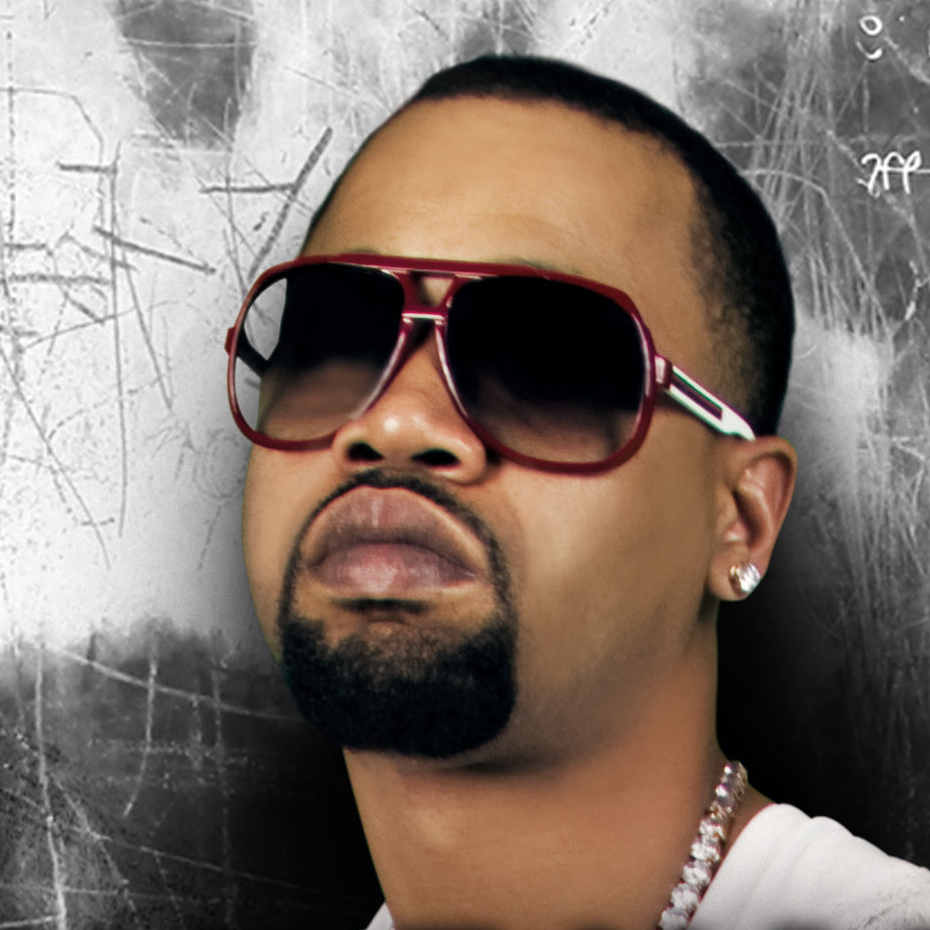
Juvenile’s 400 Degreez landed in 1998 with Mannie Fresh behind the sound.
“Ha.”
“Back That Azz Up.”
Now Cash Money had a national partner at the same time one of its artists had the kind of record that could break the whole label open.
Universal did not make those songs.
It did not invent Mannie Fresh.
It helped make sure the records could travel much farther once the demand was there.
That is the part people should study.
A bigger partner is most useful when the music is already giving that partner something real to push.
Cash Money had more than one artist ready
Juvenile was not the whole company.
There was B.G.
Lil Wayne.
Turk.
The Hot Boys.
Big Tymers.
And Mannie Fresh tying so much of the sound together.
That meant one hit did not have to carry the label by itself.
When one artist got attention, there was somebody else to introduce.
When fans liked one Cash Money release, the label name itself started meaning something.
That is when people stop only following the artist and start following the camp.
Mannie Fresh was part of why the label felt like a world
Cash Money was not only connected by paperwork.
The records sounded connected too.
Mannie Fresh gave the roster a musical identity that kept showing up across releases without making every artist feel exactly the same.
That matters because a label is easier to recognize when fans can hear a world around it.
The business and the sound were working together.
Without the records, the distribution deal is just paperwork.
Without the wider reach, some of those records may never have traveled as far as they did.
Owning the label did not automatically make every artist happy
This is where the Cash Money story needs more than celebration.
Forbes reporting on the label’s early years includes former artists saying they did not believe their own money matched the success of the records they helped make. Cash Money would face other public disputes with artists later too.
That does not erase what Birdman and Slim built.
It means there are two separate questions.
Did the founders protect their company when dealing with Universal?
And did everybody inside Cash Money understand and feel good about their own deal with Cash Money?
Those are not the same thing.
A founder can be smart about keeping control of the company and still have people inside that company believe the money was not handled fairly.
Both parts belong in the history.
“Own your masters” is not enough if nobody knows how they get paid
Independent artists hear ownership advice constantly.
But if you are building a label, collective or production company, there is another side to it.
The people helping create the records need to know what the deal is too.
That means getting clear about things like:
- master ownership
- artist royalties
- producer pay
- advances
- recoupment
- publishing
- expenses
- reporting
- audit rights
- release commitments
The exact agreements belong with qualified lawyers and accountants.
The artist or founder still needs to understand the plain-English version.
Who owns the record?
Who gets paid when it makes money?
What gets recouped first?
When does everybody get statements?
Those questions matter whether the company has ten fans or ten million.
Cash Money did not confuse independence with doing everything alone
This is another part people get wrong.
Birdman and Slim did not protect ownership by refusing to work with a major company.
They used Universal when Universal could do something Cash Money needed at a much bigger level.
The label walked into that relationship with proof:
regional sales.
A roster.
A sound.
A release history.
An audience that was already growing beyond what the old setup could comfortably handle.
Universal did not have to imagine Cash Money from scratch.
It could look at what was already happening.
That changes a meeting.
Then one branch produced another branch
Lil Wayne came through the Hot Boys and the Cash Money system.
Later he built Young Money under that larger family.
Young Money became part of the launch story for Drake and Nicki Minaj.
That is why Cash Money sits so close to the center of The Rap Tree.
A New Orleans label built by Birdman and Slim helped create the path that eventually led to another label branch with two of the biggest artists of the next generation.
That is bigger than one distribution deal.
It is a line through rap history.
What artists can actually take from the story now
Do not copy a 1998 physical-distribution contract.
The market is completely different.
A digital distributor can put a song on every major streaming service in a few days.
The question underneath the Cash Money story still works, though:
What part of the job can you no longer do well enough on your own?
If the music is weak, distribution is not the problem.
If nobody cares yet, distribution is not the problem.
If you cannot release consistently, distribution is not the problem.
But if people already want more than your current team can deliver, that is when a bigger partner may actually solve something real.
Cash Money was already moving.
Universal gave it a wider road.